

Falling off a jet ski can happen to beginners and experienced riders alike, and knowing how to respond can make all the difference in your safety and confidence on the water. With the right preparation and awareness, you can stay calm, get back on your jet ski quickly, and continue enjoying your ride. Understanding basic safety steps also helps prevent injuries and ensures you’re ready for unexpected situations. Whether you ride occasionally or often, being prepared helps you stay in control even when things don’t go as planned. In this blog, you’ll learn the essential steps to take after falling off, how to reboard safely, and the best practices to keep yourself protected on every ride.
Key Takeaways
- Stay calm and let your properly fitted life jacket keep you afloat – modern jet skis automatically shut off when you fall, thanks to the safety lanyard
- Always approach your jet ski from the rear and use the boarding step to climb back on safely, never from the front or sides
- Check yourself for injuries before attempting to reboard, especially after hitting water at high speeds
- If you can’t get back on, stay with your jet ski and signal for help rather than swimming to shore
- Prevent future falls by maintaining proper balance, avoiding sudden movements, and keeping speeds reasonable when hitting waves
What To Do If You Fall From A Jet Ski
The moment you hit the water, your body’s first instinct might be to panic – but staying calm is absolutely key to handling this situation safely. Remember, falling off is incredibly common, even for experienced riders, and it’s nothing to be embarrassed about. The good news? Modern jet skis are designed with your safety in mind.
First things first – make sure your US Coast Guard-approved life jacket is doing its job, which is especially important when riders are still understanding the top things to know before you rent a jet ski and learning proper safety habits. Your life jacket should keep your head above water automatically, allowing you to breathe steadily and maintain composure. If you’re not wearing proper safety gear, this is exactly why seasoned riders always stress the importance of that first lesson about safety equipment.
How to Safely Reboard Your Jet Ski
Now comes the part that can make or break your day on the water – getting back on your jet ski safely. This is where proper technique makes all the difference, and rushing the process often leads to more falls or even injuries.
Always swim to the rear of your jet ski, never approach from the front or sides. This isn’t just a suggestion – it’s a critical safety rule that becomes even more important once you recognize how different handling feels across various models, similar to how types of jet skis each respond differently in the water. Approaching from the sides can cause the jet ski to roll toward you, potentially trapping you underneath or causing another accident. The front approach puts you at risk of getting hurt by the bow or hitting your head if the craft rocks in the waves.
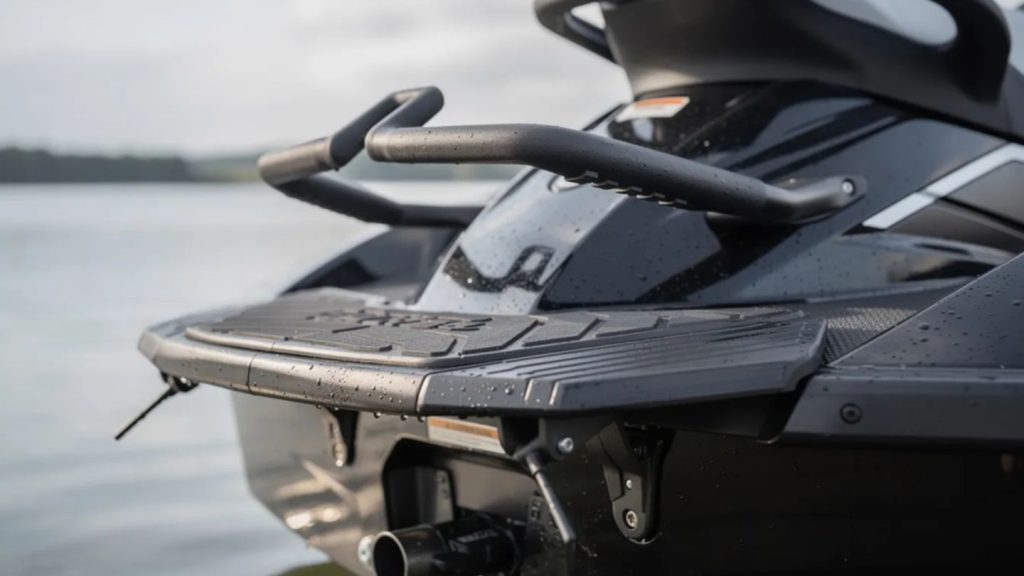
Once you reach the rear, locate the boarding step or ladder. Most modern jet skis have a retractable step designed exactly for this situation. It’s typically a small platform that folds down from the back of the craft. If you’re on an older model without a step, don’t worry – the technique is similar, just requires a bit more upper-body strength.
Grab the boarding handle with your stronger hand while placing your other hand on the seat or hull for stability. This gives you two solid anchor points. Now comes the fun part – use your legs to kick and propel yourself upward while pulling with your arms. Think of it like getting out of a swimming pool, but with more coordination needed.
Alternative Reboarding Techniques
Sometimes the standard rear boarding approach doesn’t work due to waves, currents, or physical limitations. Here are some alternative methods that experienced riders use:
The sideboarding method can be useful when waves make the rear approach difficult. However, use extreme caution and ensure the jet ski is stable. Have a riding partner hold the opposite side to prevent the craft from rolling toward you.
The “dolphin kick” technique involves swimming underwater toward the jet ski and using momentum from kicking to propel yourself upward onto the platform. This works well for strong swimmers but requires good timing and breath control.
Safety Considerations While in the Water
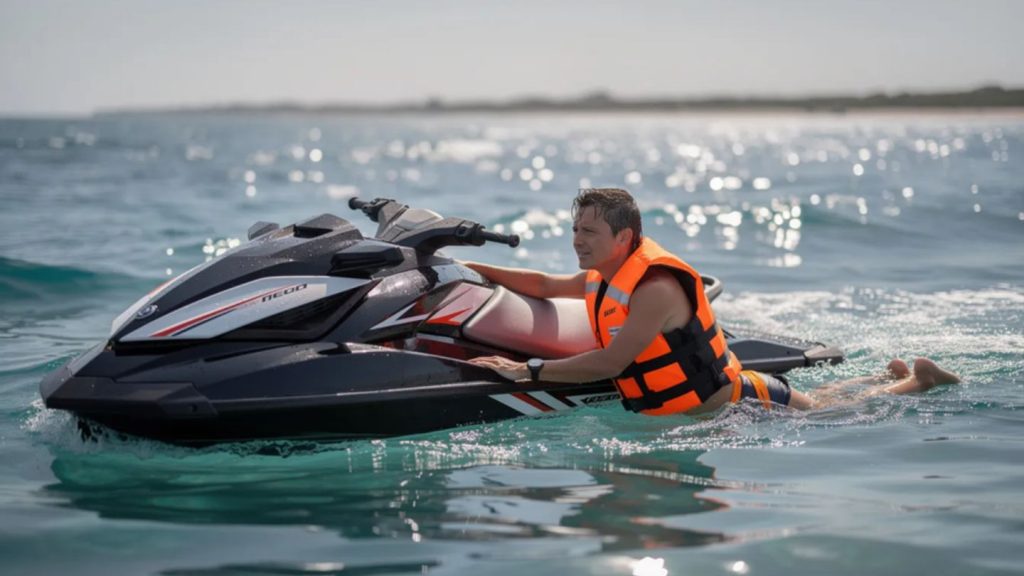
Being in the water around a jet ski requires constant awareness and smart decision-making. Even with your life jacket keeping you afloat, there are several important safety factors to keep in mind.
Stay close to your jet ski at all times, especially if you’re riding with someone else, since many couples who discover why jet ski rentals for couples are so popular appreciate the added safety of staying together in the water. Not only does it serve as a large flotation device, but it’s also much easier for other boaters or rescue teams to spot a person near a bright-colored watercraft than someone alone in the water. Your jet ski is essentially your lifeline in this situation.
Be continuously aware of your surroundings. Watch for other watercraft that might not see you, especially larger boats that take longer to stop or change direction. Keep an eye out for swimmers, divers, or even marine life. On Lake Havasu, be particularly alert for wind, boat wakes, and changing water conditions that could affect your situation.
Conserve your energy and avoid unnecessary movement. Your life jacket is designed to keep you afloat with minimal effort, so don’t exhaust yourself with excessive swimming or thrashing. Save your energy for when you really need it – like swimming back to your jet ski or signaling for help.
Keep your life jacket zipped and properly secured throughout the entire process. It might be tempting to adjust it for comfort, but this isn’t the time. Your PFD needs to stay exactly as it was fitted to provide maximum safety and buoyancy.
What to Do If You Can’t Get Back On
Sometimes, despite your best efforts, reboarding just isn’t happening. Maybe you’re too tired, the waves are too strong, or you’ve sustained a minor injury that makes climbing difficult. Don’t panic – there are smart ways to handle this situation.
First and most importantly, don’t exhaust yourself with repeated failed boarding attempts. Each failed attempt drains energy you might need later, and frustration can lead to poor decision-making. After two or three unsuccessful tries, it’s time to reassess and try a different approach.
Hold onto your jet ski and rest while evaluating your options. Your craft provides excellent flotation and support, so use it. Take a few minutes to catch your breath and think through what’s preventing successful reboarding. Sometimes the solution is as simple as waiting for the waves to calm down or adjusting your technique.
Signal for help using a safety whistle, hand signals, or an emergency mirror if you have one. Most life jackets come with a whistle attached – use it. Three sharp blasts are the universal distress signal. Wave your arms high above your head to make yourself visible to other boaters or people on shore.
Preventing Falls in the Future
The best way to deal with falling off a jet ski is to prevent it from happening in the first place. While some falls are unavoidable – hitting an unexpected wake or sudden weather change – many can be prevented with proper technique and awareness.
Maintain proper riding posture with your knees slightly bent and feet firmly planted on the footrests, a technique many beginners develop quickly as they discover why every beginner should try jet skiing and build confidence on the water. Your body should be balanced and centered, not leaning heavily to one side. Keep your core muscles engaged to help absorb impacts from waves and maintain stability during turns.
Keep both hands on the handlebars with a firm but relaxed grip. Tension in your arms and shoulders can actually work against you, making it harder to react smoothly to changes in the water. Your grip should be strong enough to maintain control but relaxed enough to absorb shock.
Avoid sharp turns, especially at high speeds, and keep in mind that stability can change depending on passenger load, which ties into understanding jet ski weight limits and how they affect handling. When jet skis turn, they rely on the water jet for steering, which means sudden direction changes at speed can easily throw off your balance. Practice gradual turns and learn how your specific jet ski responds before attempting more aggressive maneuvers.
Reduce speed when encountering choppy water, boat wakes, or other watercraft. It’s tempting to power through rough water, but slowing down gives you more time to react and reduces the force of impact if you do hit waves hard. Remember, even hitting a small wake at 40 mph can launch you right off the seat.
When to Seek Medical Attention
While most falls result in nothing more than a bruised ego and a good story, some situations require professional medical attention. Knowing when to seek help can prevent minor injuries from becoming serious problems.
Seek immediate medical attention if you experience head trauma, confusion, or any loss of consciousness during the fall. Head injuries can have delayed symptoms, and what seems minor initially could indicate a concussion or more serious brain injury. Don’t take chances with head injuries – get checked out.
Any pain in your neck, back, or spine after impact requires medical evaluation. High-speed impacts with water can cause serious spinal injuries, and moving incorrectly could worsen the damage. If there’s any doubt about spinal injury, try to minimize movement and get professional help immediately.
If you have difficulty moving your limbs or experience numbness and tingling, this could indicate nerve damage or spinal cord injury. These symptoms require immediate medical attention and should never be ignored or “worked through.”
Even seemingly minor cuts, bruises, or sprains from impact with the jet ski or water should be properly evaluated, especially if they’re not improving or seem worse than expected. Water can introduce bacteria into wounds, and what looks minor could become infected.
Don’t ignore persistent pain or discomfort several hours after the incident. Your body might initially mask injuries due to adrenaline, and problems can become apparent later. If something doesn’t feel right, trust your instincts and get it checked.
Read More: How Much Is It To Rent A Jet Ski?
Staying Safe and Confident on Every Ride
Understanding how to respond if you fall off a jet ski is essential for building confidence and staying safe on the water. By remaining calm, following proper safety steps, and practicing safe riding habits, you can turn an unexpected fall into a quick recovery and continue enjoying your time on the water with peace of mind.
If you’re looking for a memorable and safe experience, At The Bridge Rentals is here to help you enjoy the water with confidence. Our jet ski rental in Lake Havasu offers well-maintained equipment, helpful guidance, and a seamless rental process. Before exploring your next adventure, remember the importance of services such as rentals, boat rentals, and safety videos that help riders stay informed and prepared. Contact us today to plan your next ride and enjoy Lake Havasu with the support of a trusted local team.
Frequently Asked Questions
How long does it take for a jet ski to stop after the safety lanyard is pulled?
Modern jet skis equipped with proper kill switch systems stop almost immediately when the safety lanyard detaches – typically within 2-3 seconds. The engine cuts power instantly, and the craft coasts to a complete stop within a short distance, usually 10-50 feet, depending on your speed when you fell.
What should I do if my jet ski flips upside down when I fall off?
If your jet ski capsizes, stay calm and look for the manufacturer’s decal showing the correct roll direction (usually on the stern). Always roll the craft in the indicated direction to avoid forcing water into the engine. Once righted, do not attempt to restart the engine immediately as water may have entered the system – either swim the craft to shore or wait for assistance to avoid expensive damage.
Is it dangerous to fall off a jet ski at high speeds?
Falling at high speeds significantly increases injury risk, particularly from the impact with water and potential contact with the jet stream. Water can behave like a solid surface at high velocities, and hitting water at speeds over 40 mph can cause serious injuries, including broken bones or internal trauma. This is why wearing proper protective gear, including neoprene shorts, is recommended for high-speed riding.
What’s the most common mistake people make when trying to reboard?
The most common mistake is approaching from the front or side of the jet ski instead of the rear. This can cause the craft to roll toward you, potentially trapping you underneath or causing another fall. Always approach from behind and use the designated boarding step or ladder – this simple rule prevents most reboarding accidents and makes the process much easier.
Should I try to swim to shore if my jet ski drifts too far away?
No, stay with your jet ski rather than swimming to shore. Distances over water are deceptive and usually much farther than they appear. Your brightly colored jet ski makes you much more visible to rescuers than a person alone in the water. The craft also provides flotation and support while you wait for help, significantly reducing the risk of drowning or exhaustion.