

Curious about towing a tube with a jet ski? The answer is a resounding yes! This guide will walk you through selecting the perfect jet ski, understanding local laws, and following key safety practices to answer the question, “Can you tow a tube with a jet ski?” Whether you’re a beginner or a seasoned tubing enthusiast, we’ve got all the tips you need to ensure a safe and enjoyable ride.
Key Takeaways
- Jet skis with a minimum of 110 horsepower are ideal for safe tubing, offering the power needed to maintain speed and stability.
- Always comply with local laws and safety guidelines, including having a spotter on board and ensuring all participants wear U.S. Coast Guard-approved life jackets.
- Attach the tow rope securely to the designated tow eyelet on the jet ski and inspect all equipment regularly to avoid tubing accidents.
Understanding Jet Ski Towing Capacity
Jet skis are designed for a variety of water activities, and towing tubes are one of their standout capabilities. Specialized tow-sport jet skis have enhanced power and stability, tailored for high-velocity towing. Equipped with powerful engines and advanced hull designs, these models navigate rough waters smoothly while providing a secure experience.
Models like Yamaha’s VX series offer high-performance engines and generous seating, making them excellent for tubing. The Suntracker series is another great option, featuring stabilization enhancements and exceptional towing capacity.
Engine horsepower is a key factor in towing performance. Jet skis with at least 120 horsepower are recommended for pulling heavier loads, such as multiple riders or larger tubes. This ensures speed and stability without compromising agility. Opting for a higher-power jet ski ensures better weight management and consistent towing strength.
Jet skis’ compact yet powerful build makes them ideal for towing adventures, from pulling tubes to creating thrilling wakes for water skiers. Choosing a model with the right horsepower and features guarantees both safety and performance on the water.
Why Rent a Jet Ski for Tubing?
When planning your tubing adventure, renting a jet ski is a convenient and reliable option. At The Bridge Rentals, we ensure that every jet ski in our fleet is well-maintained and offers the power and performance needed for a safe and enjoyable experience. Our high-performance models are specifically selected to handle tubing activities, providing stability, speed, and towing capabilities for riders of all ages.
Additionally, our team provides all necessary safety gear and guidance on local regulations to make your tubing experience stress-free. Renting from us gives you access to premium equipment tailored for fun and adventure on the water.
Choosing the Right Jet Ski for Tubing
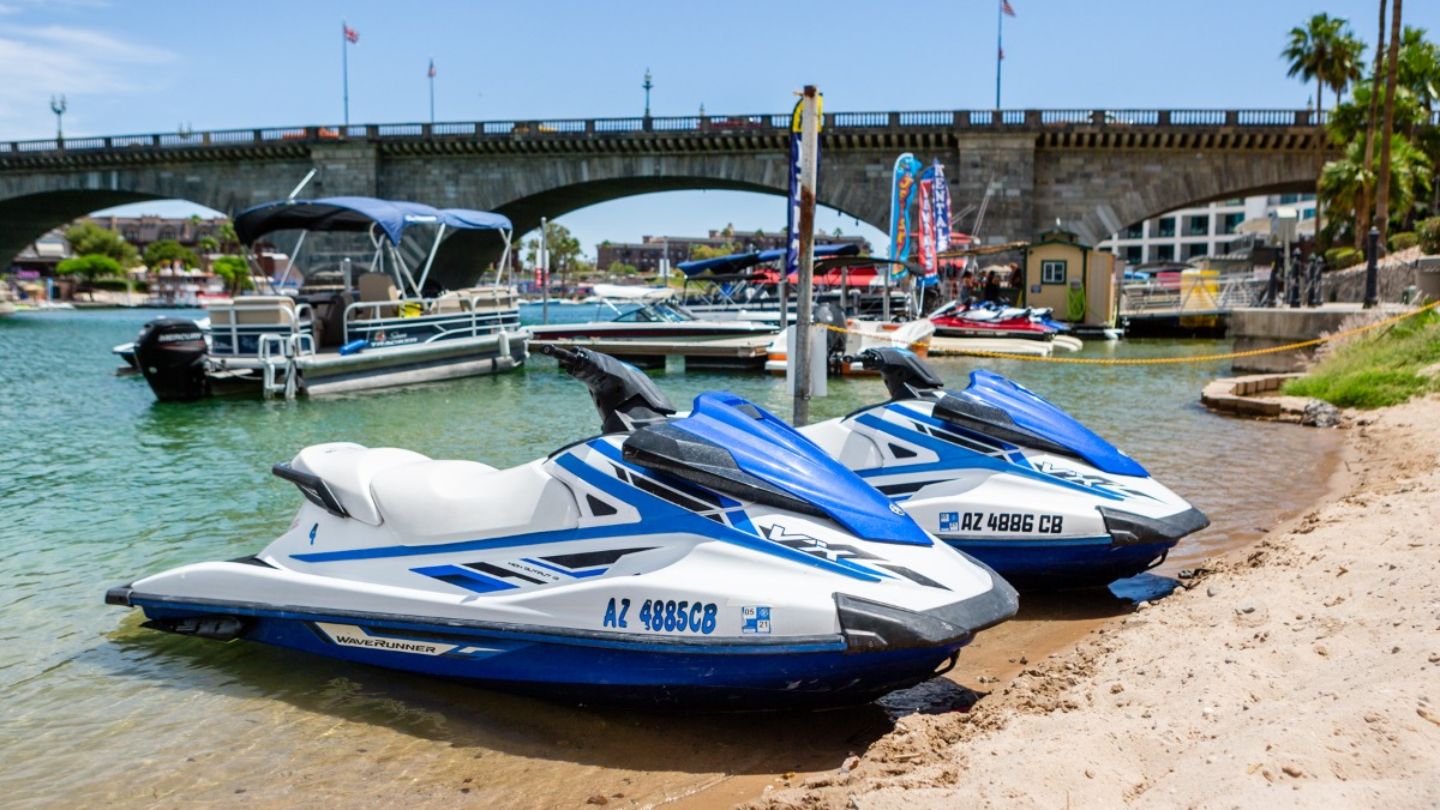
When selecting a jet ski for tubing, prioritize one with sufficient power and seating. A minimum of 110 horsepower is required for effective towing, as it ensures the jet ski can handle the extra weight and drag while maintaining stability and speed.
Consider your desired tow preferences when choosing a jet ski. Features like Ski Mode, which offers pre-set acceleration profiles called ‘Ramps,’ can optimize the towing experience by tailoring it to various skill levels and water sports activities, enhancing both safety and enjoyment.
Choose a jet ski with at least three seats to accommodate the driver, a spotter, and the person being towed. This setup is essential for meeting safety guidelines and ensuring everyone can perform their roles comfortably.
Consider the jet ski’s weight capacity and its ability to plane efficiently when fully loaded with passengers and towing gear. Many jet skis and boats designed for towing include detailed specifications about their towing capabilities—review these carefully to confirm the watercraft meets your requirements.
Legal Requirements for Jet Ski Tubing
Adhering to local regulations is essential when tubing with a jet ski or engaging in boat towing, as these laws vary by location. Familiarize yourself with the specific requirements to ensure legal compliance and the safety of all participants.
For optimal safety during towing, a spotter must accompany the jet ski operator. The spotter monitors the person being towed and quickly communicates any issues to the driver. A vigilant rope watcher also helps prevent dangerous situations, such as the tow rope becoming tangled under the jet ski.
All participants, including children, must wear U.S. Coast Guard-approved personal flotation devices (PFDs). For infants or children under four years old or under 50 pounds, a Type II PFD is recommended due to its added security features. Following these safety measures ensures a fun and safe tubing experience for everyone.
Essential Equipment for Safe Tubing
Having the right equipment is crucial for a safe tubing experience. All participants—including the driver, spotter, and rider—must wear U.S. Coast Guard-approved personal flotation devices (PFDs). Even strong swimmers should use life jackets to protect against unexpected incidents.
Choosing the correct tow rope is equally important. Look for a durable, high-quality rope approximately 60 feet long that can handle significant tension, reducing the risk of sudden jerks during towing. Opt for brightly colored ropes to improve visibility and minimize the chance of them becoming entangled in the jet ski’s propeller.
Before each use, inspect your tow rope for signs of wear or damage. Damaged ropes can easily get tangled in the jet ski’s propeller, creating dangerous situations. Regular maintenance of all equipment is essential to ensure a safe and enjoyable day on the water.
Tips for Safe and Enjoyable Tubing
To ensure a safe and enjoyable tubing experience, and to effectively engage in tow sports, follow these essential safety tips:
- Maintain consistent towing speeds, adjusting the pace to match the rider’s skill level and comfort. This prevents sudden jerks and ensures a smoother ride.
- Establish clear communication between the rider and operator. Use hand signals to convey instructions, as verbal communication may be difficult over the noise of water and the jet ski’s engine.
- Adapt to changing water conditions. When navigating choppy waters or swift currents, opt for jet skis with broader hulls to enhance stability while towing.
By adhering to these guidelines, you can enjoy a thrilling yet safe tubing adventure that caters to all skill levels and conditions.
Common Mistakes to Avoid While Tubing
Avoid these common mistakes to ensure a safer and more enjoyable tubing experience:
- Overloading the jet ski with excessive weight can reduce its stability and performance. Always follow the manufacturer’s recommended weight limits for both the jet ski and the tube.
- Skipping essential safety checks. Inspect all equipment—including the tow rope, PFDs, and the jet ski itself—before starting. Ensure that everyone involved is wearing appropriate safety gear, such as U.S. Coast Guard-approved life jackets.
By addressing these oversights, you can significantly enhance both the safety and enjoyment of your tubing adventure.
How to Attach a Tow Rope to Your Jet Ski

Properly attaching the tow rope is essential for a safe and enjoyable tubing experience. Most jet skis have a designated tow eyelet at the stern for securing the rope—always use this attachment point. Avoid using the ski pylon attached to the rear, as it is specifically designed for water skiing and wakeboarding.
For improved force distribution and easier handling, consider using a tubing or towing pylon. This setup helps protect the jet ski’s hull and enhances stability during towing. Before heading out, carefully inspect the tow rope to ensure it is free of tangles and not wrapped around the rider, jet ski, or any other objects.
During your tubing session, maintain vigilance to prevent the rope from becoming tangled or obstructed. Following these steps ensures proper attachment and a safe water-tubing adventure.
Best Practices for Towing Young Riders
When towing young riders, safety should always be the top priority. Position them securely on the tube and ensure they are properly seated with firm handholds. If they are on the jet ski, ensure they are flanked by two attentive adults for added stability and protection.
Start towing at a slow, steady pace, gradually increasing speed as young riders become comfortable. This method of gentle acceleration allows them to adapt to the activity, minimizing the risk of mishaps.
Be prepared for emergencies. Always have adults ready to assist if a child falls off the tube or jet ski. Following these safety protocols ensures that young riders can enjoy an exciting yet secure tubing experience.
Maintenance Tips for Your Jet Ski After Tubing
Maintaining your jet ski after tubing is crucial to ensure its longevity and optimal performance. Start by inspecting the tow rope for any signs of fraying or damage, as this can prevent accidents during your next outing.
Perform regular maintenance checks on the jet ski, including inspecting the hull, cleaning the engine, and ensuring all components are functioning properly. These practices not only help prevent breakdowns but also keep your jet ski in top condition for future adventures.
Read more: Essential Tips: Top Things to Know Before You Rent a Jet Ski
Summary
In conclusion, jet ski tubing is a thrilling activity that combines speed, excitement, and the joy of being on the water. To maximize your experience, it’s crucial to understand your jet ski’s towing capacity, choose a compliant model, and equip yourself with the right safety gear.
At The Bridge Rentals, we offer exceptional jet ski rentals for Lake Havasu, providing you with high-performance models perfect for all your tubing adventures. In addition, we also offer boat rental services. By adhering to best practices for towing, ensuring the safety of young riders, and maintaining your jet ski regularly, you can enhance every tubing excursion. Safety comes first, followed by fun. Ready for your next adventure? Contact us today!
Frequently Asked Questions
What is the minimum recommended horsepower for a jet ski to tow a tube?
To effectively tow a tube, you’ll want a jet ski with a minimum of 110 horsepower. This ensures safety and a smooth ride for everyone involved.
Do I need a spotter when towing a tube with a jet ski?
Absolutely, having a spotter is essential for safety when towing a tube with a jet ski. They help watch for any hazards and ensure everyone stays safe while having fun.
What safety equipment is mandatory for tubing?
You need to have U.S. Coast Guard-approved personal flotation devices (PFDs) for everyone involved—so that’s the driver, the spotter, and the person being towed. It’s a must for your safety out there!
How long should the tow rope be for tubing?
For tubing, it’s best to use a tow rope that’s at least 50 feet long to keep things safe and enjoyable. This distance helps ensure effective towing while minimizing the risk of accidents.