

Renting a jet ski can be a thrilling way to spend a day on the water, but it’s important to know the rules before you ride. While a boating license isn’t usually required, some states may ask for a driver’s license or a boat safety certificate. Regulations vary depending on where you are, so it’s always a good idea to check ahead of time. Knowing the requirements will help you avoid any surprises and ensure a smooth, hassle-free rental experience. This blog breaks down everything you need to know to get started.
Key Takeaways
- A valid driver’s license is required to rent a jet ski in Arizona, but a boating safety certificate is only required for those born on or after January 1, 1983.
- To rent and operate a jet-ski, you need to be 18.
- Safety equipment is provided by rental companies, and understanding the rental agreement is crucial for avoiding liability and ensuring a smooth experience.
License Requirements for Jet Ski Rentals
In Arizona, if you want to rent a jet ski, you must have a valid driver’s license. While the state doesn’t mandate having a boating license, rental companies might impose their own set of rules and regulations regarding boating safety education.
Certain exceptions exist for fulfilling the boating education requirements: operating on privately owned waters or being an out-of-state visitor who holds a legitimate boating education card from another jurisdiction. It is always advisable to confirm with the rental company in advance so that you meet all their criteria.
Understanding these licensing requirements will facilitate an effortless jet ski rental experience. This knowledge ensures that you can fully enjoy your time navigating the waters without encountering unforeseen complications.
Valid Photo ID and Age Requirements
In Arizona, a valid photo ID and driver’s license are needed to rent a jet ski. You must be at least 18 years old to rent and 21 to operate a jet ski.
Younger enthusiasts aged 18 can obtain a PWC (Personal Watercraft) license through the parks service to operate a jet ski independently. This opens up opportunities for younger participants to enjoy the sport safely and legally.
Age and age requirements ensure that only qualified individuals operate the jet skis, maintaining safety on the water for all ages.
Boating Safety Certificate: Is It Required?
In Arizona, a boating safety certificate is not required for the rental or use of a jet ski, with the exception being individuals born on or after January 1st, 1983. These persons are obligated to have one to guarantee they can operate safely.
For those seeking quick compliance with temporary boater education prerequisites in many states, including Florida, online courses featuring quizzes are available. These ensure you grasp and retain critical boating safety information. Should you have any remaining queries, do not hesitate to contact us for clarification.
Despite the absence of an overarching mandate for a boating safety certificate, please note that rental agencies still enforce their policies, such as presenting a valid driver’s license and adhering to specific age requirements. Being informed about whether you need this certificate can streamline your experience and prevent unnecessary complications.
Temporary Boater Education Options
Obtaining a temporary boating certificate can serve as an alternative to acquiring a comprehensive boating license, and is particularly useful for those interested in renting jet skis. To secure this certification in Arizona, one must successfully complete a state-sanctioned course that delves into the critical aspects of operating watercraft.
Although not mandated by Arizona law, choosing to undergo a voluntary boater education program can bolster your understanding and ensure greater safety while possibly offering additional advantages such as discounts on insurance.
These provisional educational solutions provide an expedited means to grasp fundamental concepts of boating safety, contributing to increased security during water-based activities.
Safety Equipment Provided by Rental Companies
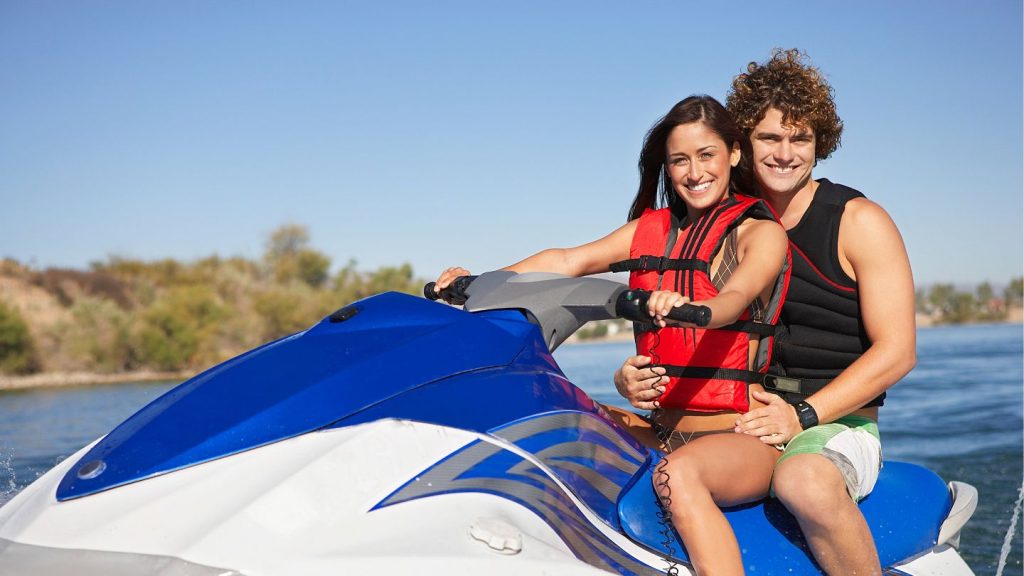
When renting a jet ski, prioritizing safety is crucial. Essential safety gear, including personal flotation devices or life jackets for the driver and all passengers, is typically supplied by rental agencies.
To enhance safety. These companies may also offer additional protective items like goggles, water shoes, and wetsuits. For operational security purposes, an emergency engine cutoff lanyard is usually provided.
For preparedness in case of emergencies while jet skiing, various other critical items are often available, such as sound-producing instruments (like whistles or horns) and dewatering tools to expel any accumulated water from inside the jet ski. These provisions help ensure that your experience on the waters remains both secure and pleasurable.
Understanding the Rental Agreement
Signing a rental agreement is necessary before hitting the water. This document includes a liability waiver clarifying renters’ responsibilities and potential risks. Read this waiver carefully to understand what you’re agreeing to and signing.
Most rental agreements exclude coverage for reckless behavior or prohibited use. Liability coverage is usually included, but often has low limits, so purchasing extra insurance like a Collision Damage Waiver can protect you against repair costs.
Inspect the jet ski for pre-existing damage before use to avoid future charges. Taking photos and noting any issues can prevent disputes later. Understanding the rental agreement thoroughly allows you to enjoy your jet skiing adventure with peace of mind.
Rules and Regulations for Safe Jet Skiing
Engaging in jet skiing safely necessitates adherence to local speed limits and appropriate area usage rules. In many areas, authorities enforce specific velocity restrictions, particularly around piers, swimmers, and proximate boats.
In no-wake zones, vessel operators are expected to moderate their speeds sufficiently to avoid causing disruption to adjacent vessels and shoreline stability. Regulations often dictate that a secure distance be maintained from other vessels in order to reduce the risk of mishaps.
Various locations impose prohibitions on wake-jumping near other watercraft or swimmers, also for safety reasons. It is similarly barred for jet skis to operate within zones reserved for swimming so as not to endanger bathers.
Compliance with these various directives ensures responsible operation while contributing significantly towards an environment where everyone utilizing aquatic spaces can do so more securely and delightfully. This meaningfully addresses several pertinent concerns regarding waterway regulations.
Weather Conditions and Their Impact on Jet Skiing
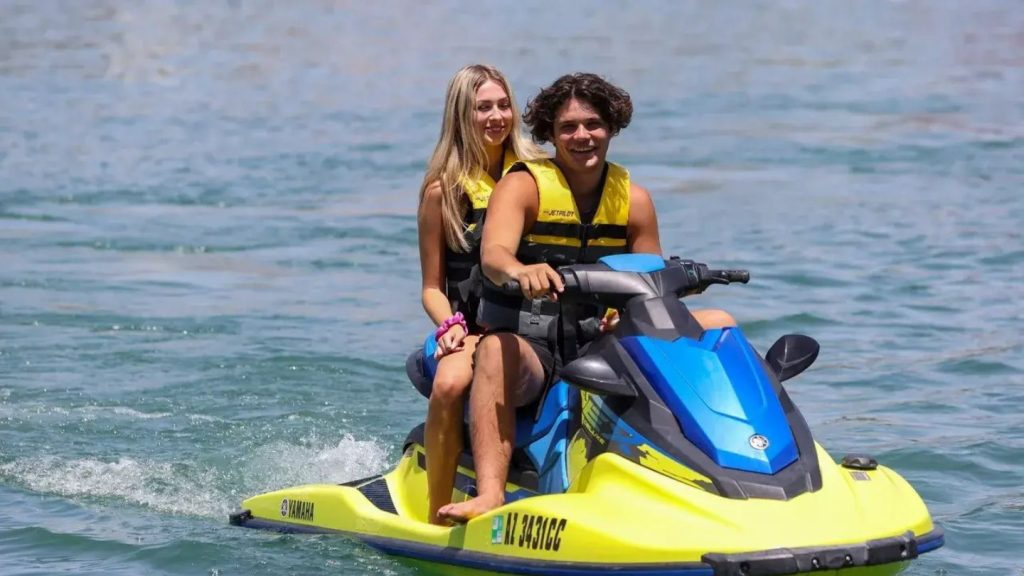
It’s crucial to consider the weather when planning for jet skiing, as it plays a significant role in ensuring both safety and pleasure. Prior to renting a jet ski, verifying the weather forecast can help guarantee that conditions are favorable for riding. Optimal days often feature minimal wind and tranquility.
For those seeking smoother waters and enhanced enjoyment on their ride, targeting early mornings or late afternoons is advisable due to typically lighter boat traffic during these times. Conversely, windy scenarios might result in bigger waves, which could present obstacles, particularly for beginners.
To maintain safety and enjoyability while jet skiing, one should steer clear of doing so under stormy skies or amidst strong gusts of wind. Such circumstances can give rise to perilous wave patterns along with diminished visibility. A conscious awareness of meteorological elements contributes greatly to a secure and delightful outing on the water.
How to Familiarize Yourself with the Jet Ski
Before you begin riding, take the time to get acquainted with the jet ski by learning about its various controls, such as the throttle, brakes, and emergency shut-off. If you’re a new rider, it’s wise to ask for an overview from the rental service provider so that you fully understand how to operate the jet ski.
Ensure that prohibited versions of “worry” are identified in accordance with rule 5. Prioritize checking fuel levels and verifying that brakes and other essential parts are in good working order before embarking on each ride. Taking these precautions can boost your confidence and readiness, contributing to a more pleasurable experience while diminishing any concerns or anxieties.
Read more: How Much Is It To Rent A Jet Ski?
Your Next Adventure Awaits
Renting a jet ski can be an exhilarating way to enjoy the water, and the good news is that you don’t need a license to do so. However, being informed and prioritizing safety are essential to make the most of your experience. From understanding basic operation guidelines to wearing proper safety equipment, preparation ensures a fun and stress-free adventure on the waves.
If you’re ready to ride, At The Bridge Rentals is here to make it happen. Our jet ski rental in Lake Havasu provides top-quality watercraft, comprehensive safety briefings, and a prime lakeside location. In addition to jet skis, we also offer boat rentals for those looking to explore the lake in style. Whether it’s a fun-filled family day, an adventurous outing with friends, or a solo escape, we’re dedicated to ensuring your experience is nothing short of unforgettable. Let us help you dive into the excitement—Contact us to book your adventure today!
Frequently Asked Questions
Is a boating license required to rent a boat in Arizona?
A boating license is not required to rent a boat in Arizona, but you will need to present a valid photo ID.
What safety equipment is included with the boat rental?
The boat rental includes essential safety equipment such as life jackets, a fire extinguisher, throw cushions, a paddle, a whistle, an anchor, and a ladder. This ensures you have everything necessary for a safe experience on the water.
What is the minimum age to rent a boat in Arizona?
The minimum age to rent a boat in Arizona is 18 years old. Renters must also provide a valid photo ID.
Can I bring my own food and drinks on the boat?
Yes, you are allowed to bring your own food and non-alcoholic drinks on the boat. However, please ensure you follow all safety guidelines and keep the boat clean.
Are pets allowed on the boat?
Pets are allowed on certain boats, but it’s best to check with the rental provider in advance to confirm their pet policy.