
Jet skiing delivers the perfect mix of speed, excitement, and scenic exploration on the water. Whether for leisure rides or adventurous outings, it offers a thrilling way to experience lakes, rivers, and coastal areas. Understanding the basics ensures both enjoyment and safety. From equipment preparation to smart riding practices, planning is key. In this blog, we cover essential tips on riding, renting, and staying safe for the ultimate jet ski experience.
Key Takeaways
- Jet skis come in two main styles: stand-up for experienced riders and sit-down for beginners, offering various features like storage and safety systems.
- Safety is crucial when jet skiing; always wear a life jacket and be familiar with your jet ski’s controls and the local rules to enjoy a safe ride.
- Renting a jet ski is a fun way to experience the thrill, but make sure to understand rental agreements and familiarize yourself with the watercraft before hitting the waves.
What is a Jet Ski?
Jet skis, technically known as personal watercraft (PWC), are designed for speed and agility on the water. These compact, powerful machines can zip across the surface of lakes, rivers, and oceans, providing an exhilarating experience that other watercraft simply can’t match. Personal watercraft manufactured to high standards ensure durability and performance, and there are various jet ski types available to suit different preferences.
There are two main styles of jet skis: stand-up and sit-down models. Stand-up jet skis require a significant amount of balance and skill to operate, making them a favorite among more experienced riders looking for a challenge. On the other hand, sit-down models offer more stability and comfort, making them ideal for beginners or those looking for a more relaxed ride. Selecting the right personal watercraft for your skill level is simplified by understanding the differences outlined in the types of jet skis, helping you choose between stand-up and sit-down models confidently.
Most jet skis are designed to accommodate one or two riders, and they come equipped with various unique features to enhance the riding experience. These features can include:
- Comfortable seating
- Easy-to-use controls
- Storage compartments
- Advanced safety systems
Whether you’re taking your first jet ski ride or you’re an experienced rider, understanding the different types and features of jet skis can help you choose the right one for your needs.
Getting Started with Jet Skiing
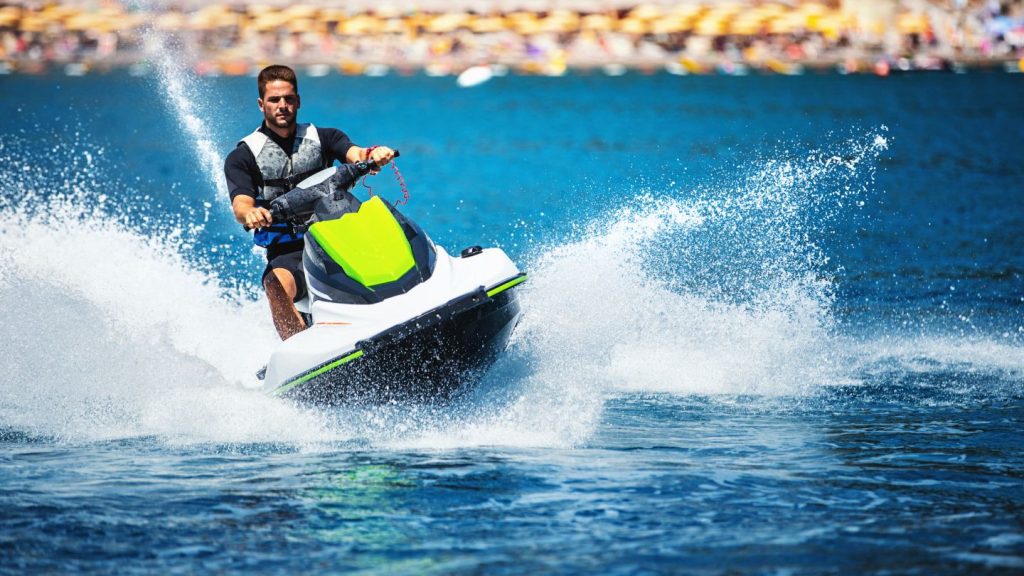
If you’re new to jet skiing, start by ensuring you have basic swimming skills. While you don’t need to be an Olympic swimmer, being comfortable in the water is crucial for safety. Also, bring the necessary safety gear, including a mandatory life jacket. Understanding first-time riding techniques becomes easier when exploring how to drive a jet ski, which offers practical insights for balancing speed and safety during your early outings.
Beginners can expect supervision from a professional instructor who will cover the basics of jet ski operation in this beginner’s guide. This initial guidance ensures your first ride is both thrilling and safe. The main goal is to experience the thrill of speeding on the water and feeling the rush of adrenaline as you navigate the waves.
How to Operate a Jet Ski
Operating a jet ski is relatively straightforward, even for first-time riders. Begin by:
- Turning on the jet ski with the key attached to the lanyard.
- Adjusting your sitting position for comfort and stability.
- Getting to know the throttle and emergency stop controls
Throttle control is vital for steering a jet ski, as jet skis require acceleration to turn effectively. When making a turn, accelerate slightly and keep your weight balanced and centered.
Remember, mastering balance and control is key to a smooth and enjoyable ride. Take it slow and drive cautiously, especially if it’s your first time on the water.
Essential Safety Equipment
Safety should always be your top priority when jet skiing. Wearing a life jacket is mandatory while jet skiing, and many states require it to be U.S. Coast Guard-approved. Additionally, kill switches are required to ensure the engine stops if you fall off the jet ski. Recognizing crucial safety practices, such as life jacket requirements and kill-switch use, is enhanced by reviewing how to ensure your safety on a jet ski before heading out on the water.
Optional gear like goggles and water shoes can enhance your comfort and safety during rides. A wetsuit may also be advisable for colder water conditions. Additional optional safety gear includes:
- Paddles
- Whistles
- Anchors
- Ladders
Jet skiing lacks the protective barriers that boats have, increasing the risk of injury. Therefore, wearing well-maintained safety equipment is crucial. Always wear your life jacket and consider additional gear for a safe and enjoyable experience.
Basic Riding Tips for Beginners
For a safe ride and an enjoyable first ride, maintaining balance is key. Keep your elbows slightly bent to prevent fatigue and relax your grip on the handlebars. Focusing on a stationary target helps you maintain a straight path.
When riding waves, keep the following essential tips in mind:
- Cross them at a 45-degree angle for better stability.
- Keep your body loose to reduce fatigue and enhance enjoyment.
- Always maintain a safe distance from other watercraft to avoid collisions.
- Start slow and gradually increase your speed as you become more comfortable.
Renting a Jet Ski
Renting a jet ski is a great way to experience the thrill without the commitment of purchasing one. Before renting, consider the following:
- Safety tips and rental requirements.
- Rental costs
Due to high demand, especially during the summer, booking online in advance is advisable. If you want to enjoy the water, you can also rent a jet ski. Planning ahead for a seamless rental day involves knowing the details before you rent a jet ski, ensuring you’re prepared for agreements, costs, and on-water rules.
The recommended rental duration typically ranges from 1 hour to 4 hour, allowing you to get a feel for the ride without becoming overly fatigued. Always understand the rental requirements and follow all safety guidelines provided by the company.
Age and License Requirements
Age and license requirements for renting a jet ski vary by location. Some regions require a personal watercraft license to rent and operate a jet ski. The minimum age requirements also differ, affecting rental eligibility.
Typically, you need to present a valid photo ID until the rental ends. While no specific license is required for jet skiing, a valid ID is necessary for the rental process.
Reviewing the Rental Agreement
Before starting your jet ski adventure, you’ll need to sign a rental agreement. This document typically includes terms on insurance coverage, liability, and damages. Understanding the rental agreement ensures compliance and a safe rental experience.
The rental agreement outlines your responsibilities in case of damage to the jet ski. Read and understand these terms to avoid surprises. Ask the rental company any questions you may have before signing.
Familiarizing Yourself with the Jet Ski
Before hitting the water, take a few minutes to familiarize yourself with the jet ski’s controls and features. Key things to identify include the throttle and emergency stop. Knowing these features will empower you to operate it safely and confidently.
If you’re not familiar with the specific model, ask for an instructional run-through from the rental provider. This preparation ensures a more enjoyable and secure riding experience.
Safety Precautions While Jet Skiing
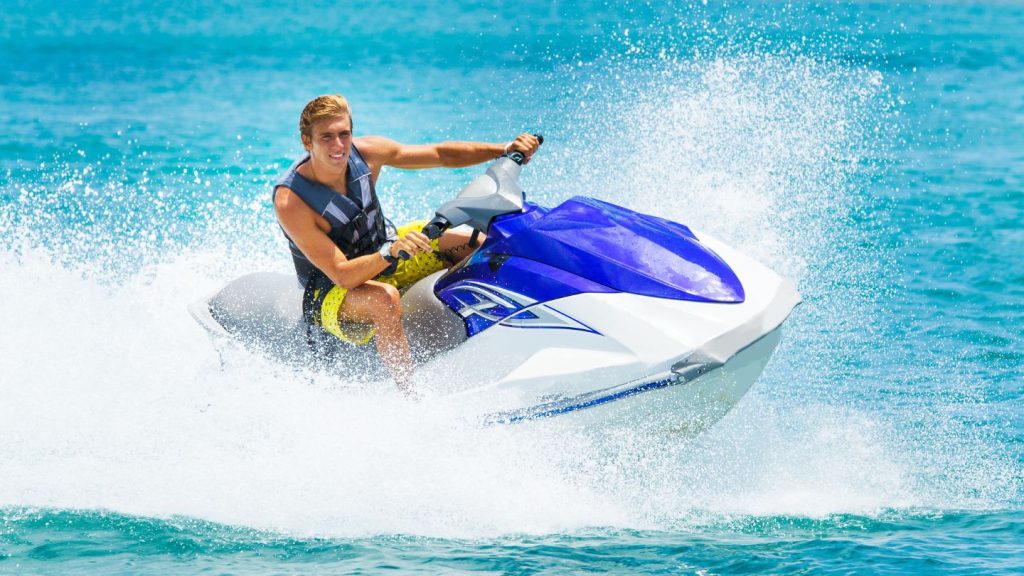
Safety is paramount when jet skiing. Follow all safety measures to ensure a secure and enjoyable experience. Recognizing potential hazards and being prepared can significantly reduce risks.
Preparation is key to a safe and enjoyable jet ski experience. Always monitor weather conditions before renting to ensure safe riding. Consistent maintenance keeps a jet ski functioning well and prevents long-term damage.
Understanding Local Rules and Regulations
Adhering to local rules and specific rules and regulations is vital for safe jet skiing and boating safety courses. Common rules include following speed limits, maintaining an adequate distance from other watercraft, and wearing a personal flotation device to meet safety standards.
In no-wake zones, vessels and other vessels must proceed at idle speed to protect swimmers and other boats from damage. Following these local boating laws ensures a safe and responsible jet skiing experience.
Monitoring Weather Conditions
Checking the weather forecast before jet skiing is crucial to avoid unexpected bad weather or dangerous conditions. Underestimating conditions like high winds and rough waters can pose severe risks for jet skiers, especially when considering the impact of water spray.
Enhancing Your Jet Ski Experience
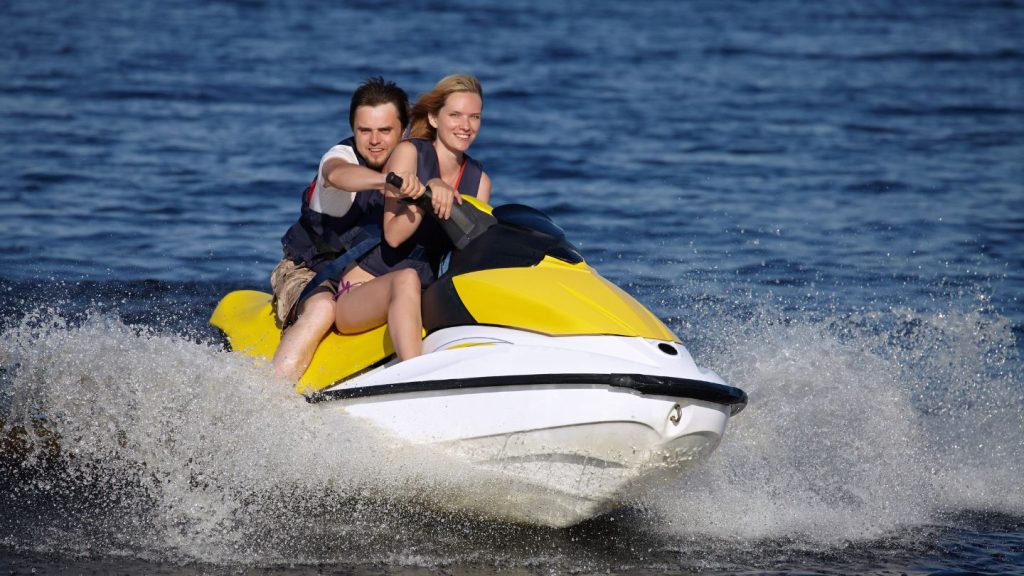
Jet skiing combines fun with friends and adrenaline, especially in sunny weather and at varying speeds. Its unmatched sense of personal driving experience and the adrenaline it provides distinguish it from typical boat excursions, making it a dynamic water sport. Jet skiing involves an enjoyable experience that many enjoy.
Riding in the early morning or late afternoon can enhance the experience by avoiding crowds and enjoying calmer waters. After jet skiing, you can enjoy activities like swimming and relaxing on the best beaches. Packing smartly for a day of adventure is easier with guidance from jet ski essentials for summer, which highlights must-have gear to elevate comfort and enjoyment.
Riding with Passengers
When riding with passengers, they should hold onto the driver or handrails for stability and safety. Passengers should also lean when the driver leans into a turn for better balance and control.
Exploring Scenic Locations
Exploring scenic locations can significantly enhance your jet skiing experience and prepare you for your next adventure.
Guided jet ski excursions typically involve following a guide in small groups, with individual jet skis available for each participant, lasting between 1 and 4 hours. In locations like Santorini and Split, licensed instructors lead the excursions, ensuring a safe and enjoyable time.
Maintenance and Care for Jet Skis
Proper maintenance and care of jet skis are essential for longevity and optimal performance. Regular inspections and upkeep are crucial; this includes checking for signs of wear and tear, verifying fluid levels, and ensuring all mechanical parts function correctly.
Always consult the owner’s manual for specific maintenance guidelines related to your jet ski model. Consider professional servicing as needed to address any maintenance concerns.
Regular Inspections and Upkeep
Regular maintenance extends the life of the jet ski and keeps the rider safe. Routine checks help identify any wear or potential issues early, ensuring the jet ski remains operational with well-maintained equipment.
Post-ride maintenance, like cleaning and flushing the system, removes salt and debris that could cause corrosion. Following a maintenance schedule outlined in the owner’s manual ensures optimal performance.
Make Your Next Ride Unforgettable
Jet skiing combines adventure, relaxation, and outdoor fun, making it one of the most exciting water activities. By understanding key safety practices, proper equipment handling, and rental guidelines, riders can confidently enjoy every moment on the water. Whether you’re new to the sport or an experienced rider, planning ahead ensures a safe and memorable jet ski experience.
At The Bridge Rentals provides top-quality jet ski rentals in Lake Havasu to help you create the ultimate day on the water. From well-maintained equipment to helpful guidance, we make it easy to start your adventure with confidence. Let us help you gear up for a thrilling ride and unforgettable memories on the lake. Contact us at At The Bridge Rentals today to book your jet ski rental and make the most of your time on Lake Havasu.
Frequently Asked Questions
What are the age and license requirements for renting a jet ski?
You’ve got to check local laws since age requirements for renting a jet ski can vary, but usually, you need to be at least 16 or 18 years old. A valid photo ID is typically required, and some places may want you to have a personal watercraft license, too.
What safety equipment is mandatory for jet skiing?
You’ve got to wear a U.S. Coast Guard-approved life jacket and use a kill switch when jet skiing for safety. It’s all about staying safe while having fun!
How do I start a jet ski?
To start a jet ski, just insert the key attached to the lanyard and turn it on. Get comfy in your seat and make sure you know where the throttle and emergency stop controls are!
What should I look for in a jet ski rental agreement?
Make sure to check the insurance coverage, liability clauses, and damage policies in the rental agreement. Knowing these details will help keep your jet ski adventure safe and worry-free.
How can I enhance my jet skiing experience?
To amp up your jet skiing experience, hit the water during early mornings or late afternoons to dodge the crowds, check out scenic spots, and bring a buddy along for extra fun. Just keep an eye on the weather and stick to safety rules!