
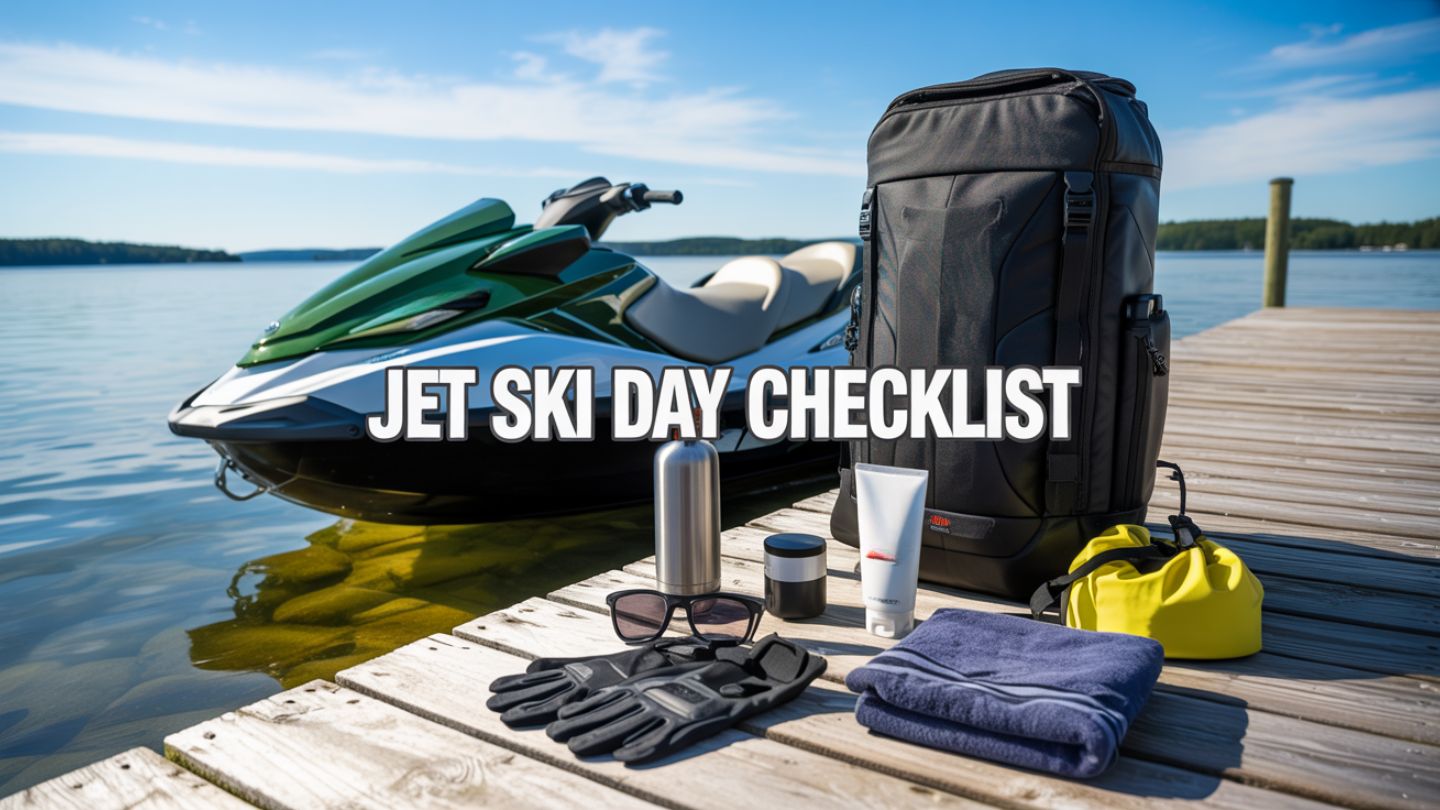
A full day on a jet ski combines excitement, sunshine, and hours of open-water fun. Being properly prepared can make the difference between a smooth adventure and unnecessary stress. From safety essentials to comfort items, packing the right gear helps you stay focused on enjoying the ride. Planning ahead also ensures you’re ready for changing weather and a longer time on the water. In this blog, we’ll cover exactly what to bring for a full-day jet ski adventure so you can ride with confidence and enjoy every moment.
Key Takeaways
- Pack a properly fitted life jacket (if not provided), government ID, sunscreen, at least 2-3 liters of water per person, snacks, and a waterproof bag to protect valuables. These are your non-negotiables for a full-day jet ski adventure.
- Full-day rides mean 6-8+ hours of intense sun, wind, and water exposure, so sun protection like a rash guard, polarized sunglasses, and SPF lip balm is crucial to avoid a painful sunburn and fatigue.
- Rental companies typically supply required safety gear and safety equipment, but personal comfort items like extra clothes, water shoes, and a reusable water bottle are up to you.
- Protecting your phone, keys, and wallet from water damage is essential; a quality waterproof phone pouch and dry bag will save you major headaches.
- The rest of this guide breaks everything down into simple categories: safety, sun protection, hydration and snacks, navigation, comfort, and bonus fun items so you can plan the perfect balance of prepared and carefree.
Must-Have Essentials for a Full-Day Jet Ski Adventure
Before you even think about hitting the throttle, let’s nail down the absolute must-bring items for any full-day jet ski outing. Consider this your quick-reference checklist, the stuff you really can’t forget.
- Personal safety gear: A properly fitted, Coast Guard-approved life vest is your number one priority. Most rental providers supply these, but you’ll also want a whistle attached to your vest and a safety lanyard (kill switch) that clips to your wrist or life jacket. This lanyard shuts down the engine if you fall off, which is pretty important when you’re flying across the water at high speeds.
- Required documents: Bring a government-issued photo ID, any boating license or safety certification your state requires, your rental confirmation, and a payment method, which helps avoid surprises when planning around how much it is to rent a jet ski. Store these in a small waterproof pouch so they don’t become soggy mush.
- Sun and weather protection: High-SPF broad-spectrum sunscreen (SPF 30-50), a UPF-rated long-sleeve rash guard, a hat with a strap, and polarized sunglasses with a retainer strap. The blazing sun plus water reflection is no joke; harmful UV rays hit you from every angle out there.
- Hydration and snacks: At minimum, pack 2-3 liters of water per person in insulated reusable water bottles, plus electrolyte packets and simple non-messy snacks like granola bars, nuts, or dried fruit. Keeping your energy levels up is key to staying sharp on the water.
- Gear to keep belongings safe: A medium-sized waterproof bag, a waterproof phone pouch, and a small soft-sided cooler (if your rental operator allows it). Everything that can’t get wet needs to be sealed up tight.
Safety First: Gear, Rules, and Required Documents
Safety rules vary depending on where you’re riding, but here’s the deal: always verify local regulations for age requirements, licensing, and mandatory equipment before your launch day. A quick call to your rental shop or a few minutes on your state’s boating website can save you from showing up unprepared.
- Age and supervision rules: In most U.S. destinations, riders typically need to be 16–18 to operate a jet ski solo, and understanding how old you need to be to operate a jet ski safely helps families plan ahead without last-minute issues. Anyone signing a rental contract usually needs to be 18+. When renting a jet ski, double-check the specific requirements for your location.
- Life jacket standards: Your life jacket must be Coast Guard-approved, correctly sized, and snug enough that it won’t ride up when you hit the waves. Most rental providers supply vests that meet these standards, but you can bring your own if you prefer a specific fit or style. Here’s a sobering stat: according to Coast Guard data, 85% of drowning victims in boating incidents weren’t wearing life jackets. Wear it, don’t just carry it.
- Documents and storage: Keep your physical or digital ID, boating safety card (if required), signed waivers, and any medical information (like an allergy card) in a small waterproof pouch. Tuck it inside your dry bag or clip it to your vest.
- Additional recommended safety gear: Pack a small first aid kit with bandages, antiseptic wipes, and pain relievers. Motion sickness tablets are clutch for sensitive riders, and a compact emergency whistle attached to your vest adds extra protection.
- Ask the rental shop: Before you pack a fire extinguisher or distress flag, ask what the rental company provides. Most outfitters supply required safety gear like fire extinguishers and signaling devices, so you don’t need to duplicate heavy or regulated items.
Best Sun and Weather Protection for a Full Day on the Water
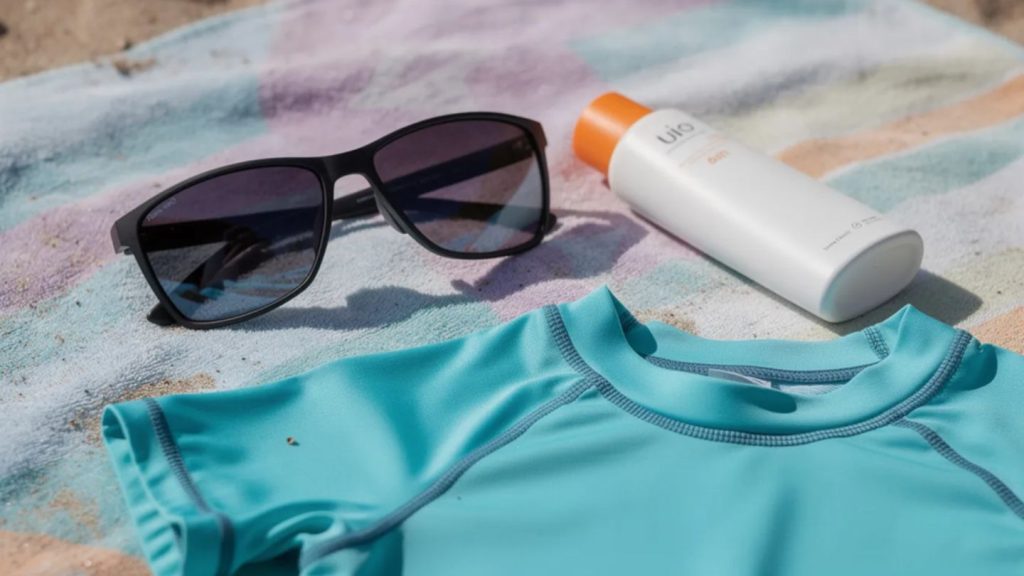
A full-day jet ski tour means you’re looking at 6+ hours of intense UV exposure, heat, and wind. The water reflects sunlight right back at you, essentially doubling your dose of rays. This section is all about keeping your skin, eyes, and body protected so you can ride all day without turning into a lobster.
- Sunscreen specifics: Go for broad-spectrum, water-resistant SPF 30-50. Apply it 20-30 minutes before you ride so it has time to absorb, then reapply every 2 hours (or immediately after a fall into the water). Lotion works better than spray for thorough coverage. You want every inch of exposed skin covered.
- Ideal clothing: A UPF-rated long-sleeve rash guard is your best friend. Pair it with swim leggings or board shorts made from quick-dry material. This setup protects your shoulders, back, and thighs from both sun and saddle friction without restricting movement. Appropriately dressed clothing makes the difference between comfort and misery.
- Head and eye protection: A snug-fitting cap or hat with a strap keeps your head cool and shaded. Polarized sunglasses with wraparound frames cut the glare that bounces off the water, and a floating strap means you won’t lose them when you hit a wave wrong.
- Extra layers for changing conditions: Mornings can be chilly on the water, even in summer. Pack a lightweight windbreaker or neoprene top that you can peel off as the day heats up. A thin buff or neck gaiter adds sun and wind protection for your face and neck.
- Lip balm and after-sun care: Don’t forget SPF lip balm; chapped, sunburned lips are miserable. Toss some aloe gel or after-sun lotion in your bag for when you’re done riding. Your future self will thank you.
Hydration, Snacks, and Energy for an All-Day Ride
Here’s something people underestimate: jet skiing is surprisingly dehydrating. Between the sun, the spray, and the constant muscle engagement to stay balanced on the ride, you’re losing fluids faster than you realize. Staying hydrated and fueled keeps your focus sharp and your reaction time quick.
- How much water to bring: Plan for at least 2–3 liters per person for a full day, and pack extra if you’re riding in Lake Havasu’s hot desert heat. Carry water in insulated, reusable bottles stored in a cooler or dry bag to keep it cold.
- Electrolytes matter: Plain water is great, but adding electrolyte tablets or powder prevents cramps and fatigue, especially in the heat. These are way better than sugary sodas, which can actually dehydrate you more. Drop a tablet in your water bottle and stay hydrated without the crash.
- Smart snacks, jet skiing style: Compact, non-perishable foods are the way to go. Think trail mix, protein bars, jerky, crackers, and dried fruit. Pack them in small resealable bags that can handle a few splashes. Light snacks keep your energy levels steady without weighing you down.
- Pre-ride fuel: Eat a light meal with lean protein and complex carbs before you head out. Riding on an empty stomach leads to fatigue, and riding after heavy alcohol is just asking for trouble. Skip the boozy brunch until after you dock.
- Schedule breaks: Every 60-90 minutes, find a shaded spot or dock area to stop for water, snacks, and a quick rest. These breaks prevent exhaustion and give everyone a chance to recharge for the next stretch.
Navigation and Communication Tools You Should Bring
Even on familiar water, things can change fast. Currents shift, weather rolls in, and you can drift farther from shore than you planned. Having reliable navigation and communication tools turns a potential problem into a minor inconvenience.
- Protect your phone: A waterproof, floating phone case that allows touchscreen use is essential. Look for one with a lanyard or clip so you can attach it to your life vest. Your phone is your lifeline for emergencies, photos, and checking that weather forecast. Don’t let water damage ruin it.
- Navigation aids: Download offline maps of your riding area before you head out. If you’re going somewhere remote, consider a handheld GPS or printed waterproof maps showing no-wake zones, channels, and fuel docks. Knowing where you are keeps the adventure fun instead of stressful.
- Two-way radios for groups: If you’re riding with a crew and cell service is spotty, inexpensive, waterproof two-way radios help everyone stay connected. Keep them in a small waterproof bag when not in use, and agree on basic radio etiquette before you launch.
- Share a float plan: Tell someone on shore, whether it’s a friend, family member, or the rental office, where you’re going, when you expect to return, and who’s in your group. Keep the rental office’s emergency number saved in your phone.
- Check the weather: On the morning of your trip, pull up local weather and marine forecasts. Conditions can change quickly, and heading out into a surprise thunderstorm is nobody’s idea of fun. Bring a simple watch or use your phone to manage time on the water so you’re not caught off guard.
Comfort and Convenience Items That Make a Big Difference
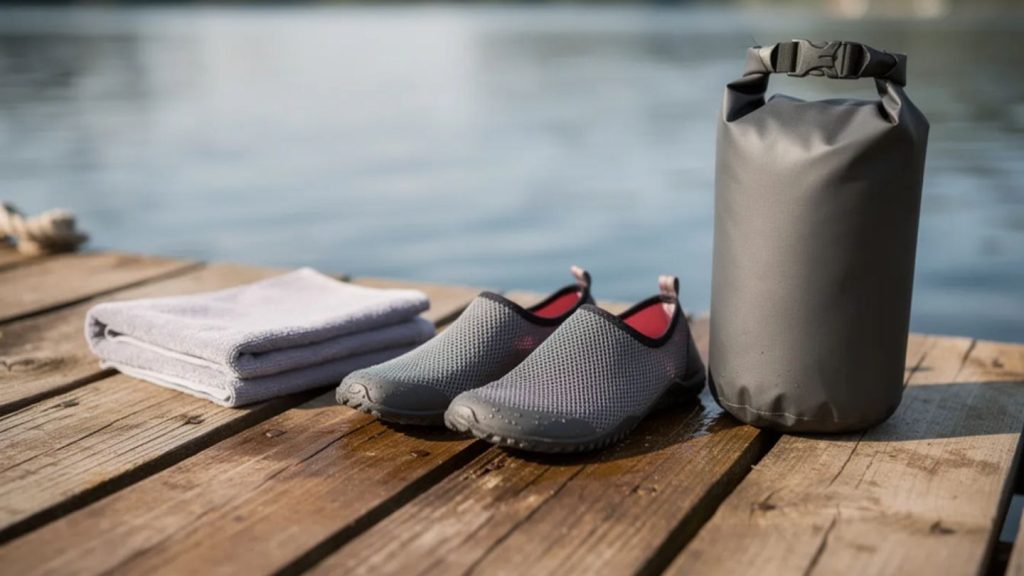
Once you’ve got safety covered, a few strategic comfort items transform a long, tiring day into a relaxed, enjoyable experience. These are the little things that separate a good day from a great one.
- Clothing extras: Pack a lightweight towel, a full change of clothes (including dry underwear and socks, trust us), and flip-flops or sandals for before and after the ride. Putting on dry clothes at the end of the day feels amazing.
- Water shoes for protection: Sturdy water shoes or booties with good grip protect your feet from hot surfaces like sun-baked docks, sharp rocks, and slippery areas around boat ramps. They make boarding and disembarking way safer and more comfortable.
- Storage and organization: Use one main dry bag for group gear and smaller labeled pouches for each rider’s personal items. A simple system means nothing gets lost or soaked, and you’re not digging through a jumbled mess looking for your keys.
- Personal care basics: Travel-size hand sanitizer, tissues, hair ties, a brush, and basic medications (pain reliever, allergy tablets) in a mini aid kit round out your personal stash. Small stuff, big difference.
- Comfort extras: Lightweight gloves prevent blisters from gripping handlebars all day. Earplugs help if you’re sensitive to wind and engine noise. A compact microfiber towel dries quickly between swims and takes up almost no space.
Bonus Items for Extra Fun and Memorable Moments
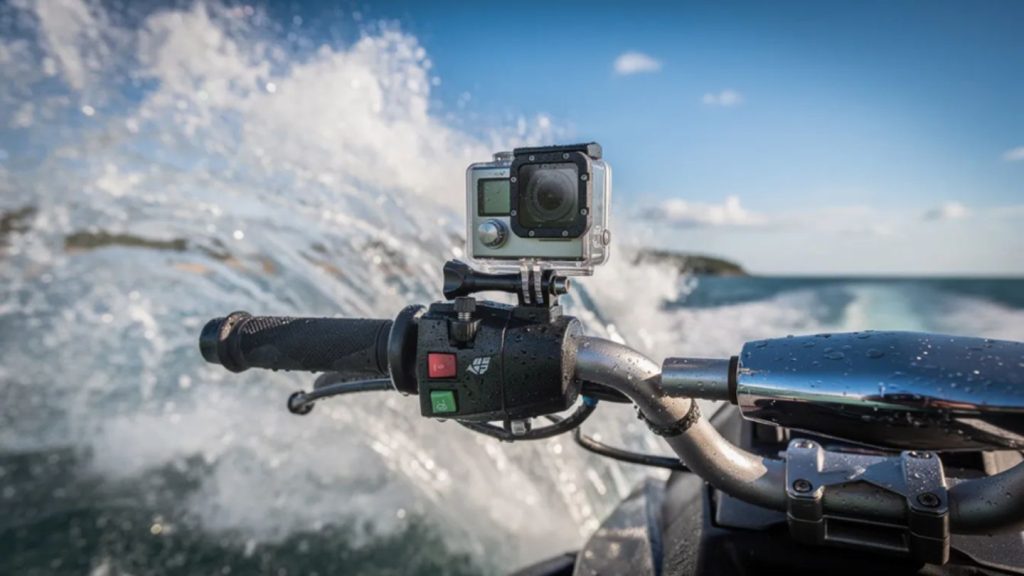
Once the essentials are packed, you’ve got room to add a few items that capture unforgettable memories and elevate the experience, which explains why jet ski rentals are your ticket to the ultimate summer adventure. This is where your jet ski adventure goes from “solid day” to “one for the books.”
- Waterproof camera and accessories: A waterproof camera or GoPro-style action cam lets you snap photos and capture video of your ride. Mount it on a helmet, chest harness, or the jet ski itself for incredible POV footage. Use a floating handle or wrist strap so you don’t lose it when you fall, because you will fall at some point.
- Small inflatables: If the area allows and your rental operator is cool with it, bring compact loungers or tubes for relaxing near shore during breaks. Just anchor them or keep someone supervising so they don’t drift away.
- Music options: A small waterproof Bluetooth speaker is great for when you’re anchored or resting, not while riding. Keep the volume reasonable; other boaters and wildlife will appreciate it.
- Trip notes: A simple logbook or notes app is perfect for recording route details, favorite coves, wildlife sightings, and ideas for future trips. At the end of the day, jot down what worked and what you’d do differently.
- The right attitude: Seriously, this matters. Especially on group trips with mixed experience levels, a positive, patient mindset keeps the vibe fun for everyone. Encourage first-timers, celebrate the thrill of the waves, and remember you’re out there to have a blast.
Practical Jet Ski Tips for a Smooth Full-Day Adventure
Packing the right gear is half the battle. Using it effectively is what separates a chaotic day from a smooth, safe, and enjoyable experience. Here’s how to make sure everything you brought actually serves you well on the water.
- Pre-ride inspection: Before you leave the dock, do a quick check, and make sure you’re comfortable with the controls aligning with essential guidance on how to drive a jet ski for a safer ride. Fuel level good? Is throttle response smooth? Is the steering working properly? Is the lanyard clipped and functional? Any visible hull damage? This takes two minutes and can prevent hours of frustration.
- Use a checklist: Keep a simple gear checklist on your phone or written out. Run through it at the car before heading to the dock: ID, sunscreen, dry bag, snacks, water. Some riders take a quick photo of their packed gear so nothing gets left behind.
- Group riding etiquette: If you’re riding with friends, agree on hand signals before you launch. Stay in visual contact at all times, and designate a lead rider and a sweep rider (the person who stays at the back to make sure everyone’s okay). This keeps the group together and ensures everyone’s safety.
- Secure loose items: Anything that can fly off, hats, waterproof cameras, bags, needs to be strapped down or clipped on before you increase speed. Losing gear at 40 mph is frustrating at best, dangerous at worst.
- Build in cushion time: Schedule your return with extra time for refueling, rinsing gear, and changing into dry clothes. Rushing at the end of a fun day takes the shine off the whole adventure. Give yourself breathing room.
Final Thoughts
A full-day jet ski adventure is most enjoyable when you’re prepared with the right balance of safety, comfort, and convenience. Packing smart helps you stay protected from the sun, hydrated throughout the day, and focused on fun rather than missing essentials. Thoughtful preparation ensures a smooth, stress-free experience on the water.
At The Bridge Rentals, helps riders enjoy hassle-free adventures with jet ski rental in Lake Havasu and a simple rental process. Whether you’re coordinating flexible rentals or exploring scenic boat rentals, choosing a reliable provider sets the tone for your day. Let us help you get everything ready for an unforgettable day on the water.
Frequently Asked Questions
What should I not bring on a full-day jet ski trip?
Avoid bringing valuables you can’t afford to lose, including expensive jewelry, non-waterproof electronics, or designer items. Skip hard coolers, glass containers, and bulky bags that can’t be secured. Also, leave behind anything restricted by your rental provider or local regulations, such as alcohol in certain areas.
How should I pack if I’m flying to my jet ski destination?
Pack lightweight, compact essentials like a rash guard, swimwear, polarized sunglasses, a hat, and a collapsible dry bag. Purchase sunscreen and drinks after landing to avoid TSA liquid limits. Before arrival, confirm what safety gear your jet ski rental company provides so you can pack efficiently.
Do I need different gear for saltwater vs. freshwater jet skiing?
Most essentials stay the same, but saltwater trips benefit from corrosion-resistant accessories and better eye protection against salty spray. After riding in saltwater, rinse clothing and gear thoroughly with fresh water. This extra care helps prevent long-term damage and keeps equipment in good condition.
What should kids bring for a full-day jet ski outing?
Children should bring Coast Guard-approved life jackets in proper sizes, rash guards, hats, snacks, and plenty of water. Include a familiar comfort item like a towel or hoodie for breaks. Plan frequent rest and shade time, as kids tire faster under the sun and heat.
How can I travel light but still be well prepared for all day on the water?
Organize gear into three compact kits: safety and documents, sun and comfort items, and food and hydration. Use travel-size containers and share communal supplies within your group. Choose multi-purpose items, like rash guards, to reduce weight while staying fully prepared.