
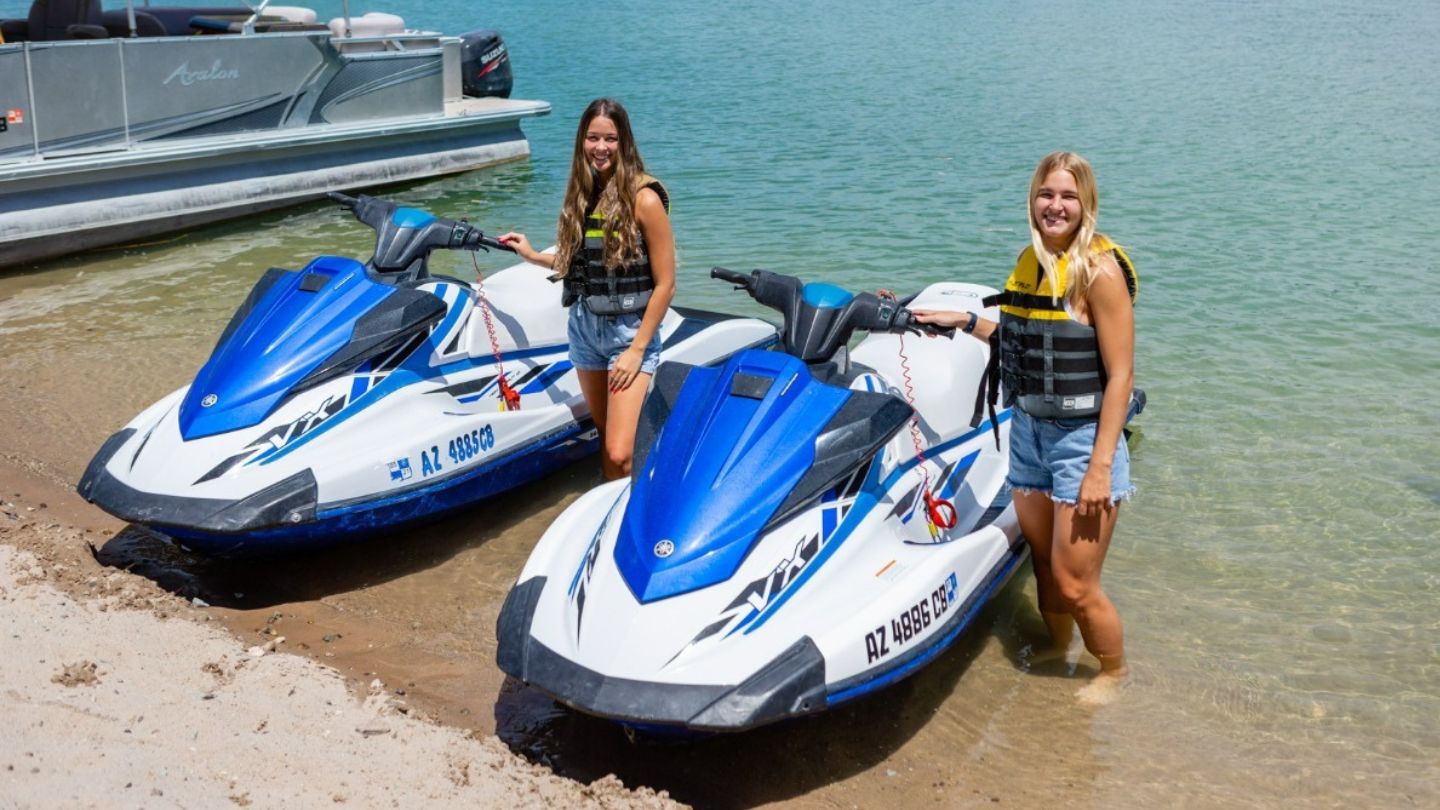
What should you do if your jet ski flips over? First, stay calm. This guide will walk you through essential steps to ensure your safety, properly right your jet ski, and avoid any further issues. By following these tips, you’ll be back on the water quickly and confidently.
Key Takeaways
- Understanding causes like improper weight distribution and aggressive handling can help prevent your jet ski from flipping.
- Stay calm and immediately turn off the engine to prevent water damage.
- Use proper techniques for righting and reboarding your jet ski to minimize the risk of additional flips or injury.
Why Jet Skis Flip Over
Understanding the causes behind jet ski flips is essential for preventing such incidents. An improper balance of weight on the watercraft can make it unstable, particularly in choppy waters or during sharp turns.
Aggressive handling also contributes significantly to flips. While jet skis are designed for quick, agile movement, pushing these limits through rapid maneuvers or sharp pivots increases the likelihood of overturning. It’s crucial to ride within your skill level and operate the jet ski with care to maintain control.
Environmental conditions play a major role in stability. Navigating through rough waters, rolling waves, or strong currents can challenge your jet ski’s balance, especially if you’re not adjusting your ride accordingly. Always consider the water conditions before setting out, and adjust your driving to ensure safety.
By understanding the factors that lead to jet ski flips, you can take proactive steps to reduce the risk. Staying mindful of these conditions helps ensure a safe and enjoyable ride, keeping both you and your jet ski protected from accidents.
Understanding Jet Ski Dynamics
Jet skis are designed to operate in a specific way, and understanding their dynamics is crucial for safe and enjoyable riding. Here are some key factors to consider:
- Weight Distribution: The way you and any passengers distribute your weight on the jet ski significantly affects its stability and performance. Incorrect weight distribution can make the jet ski more prone to capsizing, especially in rough waters or during sharp turns. Always ensure that weight is evenly distributed to maintain balance and control.
- Body Weight: Your body weight plays a pivotal role in steering and maintaining the balance of the jet ski. Shifting your weight appropriately can help you navigate turns more smoothly and keep the jet ski upright. Practice shifting your weight in a controlled environment to get a feel for how it affects the jet ski’s movement.
- Engine Compartment: The engine compartment is the heart of your jet ski. Keeping it clean and free of debris is essential for optimal performance and longevity. Regular maintenance checks can prevent engine damage and ensure that your jet ski runs smoothly. Always follow the maintenance schedule recommended by the manufacturer.
- High-Speed Operation: While jet skis are built for speed, it’s crucial to operate them within safe limits. High-speed maneuvers can be thrilling but also increase the risk of flipping if not handled correctly. Always adhere to safety guidelines and manufacturer recommendations to avoid accidents and ensure a safe ride.
By understanding these dynamics, you can better control your jet ski and reduce the risk of flipping, making your time on the water both safe and enjoyable.
Read more: Top Things to Know Before You Rent a Jet Ski
Immediate Actions After Your Jet Ski Flips
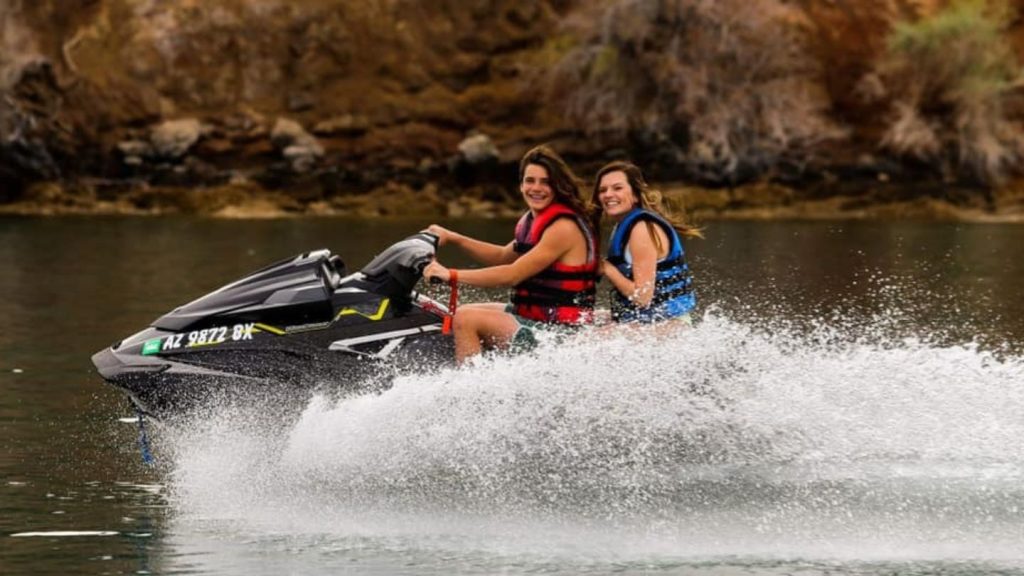
When your jet ski flips over, it’s crucial to remain calm. Panicking only complicates the situation. First, verify that everyone on board is safe. Wearing appropriate safety gear, such as life vests, can significantly reduce the risk of injury.
Next, turn off the engine immediately. Keeping the engine running while the jet ski is flipped increases the likelihood of water entering the engine, which can cause severe damage. The longer the watercraft stays inverted, the higher the chances of internal water damage. It is essential to remove all the water from the engine to prevent potential damage and engine failure. Familiarize yourself with your jet ski model’s emergency flip recovery procedures, which are typically outlined on a sticker attached to the hull.
Being prepared with these recovery steps helps you respond quickly and effectively in an emergency. If you manage to right the jet ski but the engine doesn’t start, water may writingiltrated the engine, requiring a tow back to shore.
If you’re unable to flip the jet ski back on your own, towing it back to shore or carefully swimming it to land is the safest option. Follow these procedures closely to ensure both your safety and the stability of the watercraft.
How to Upright Your Jet Ski Safely
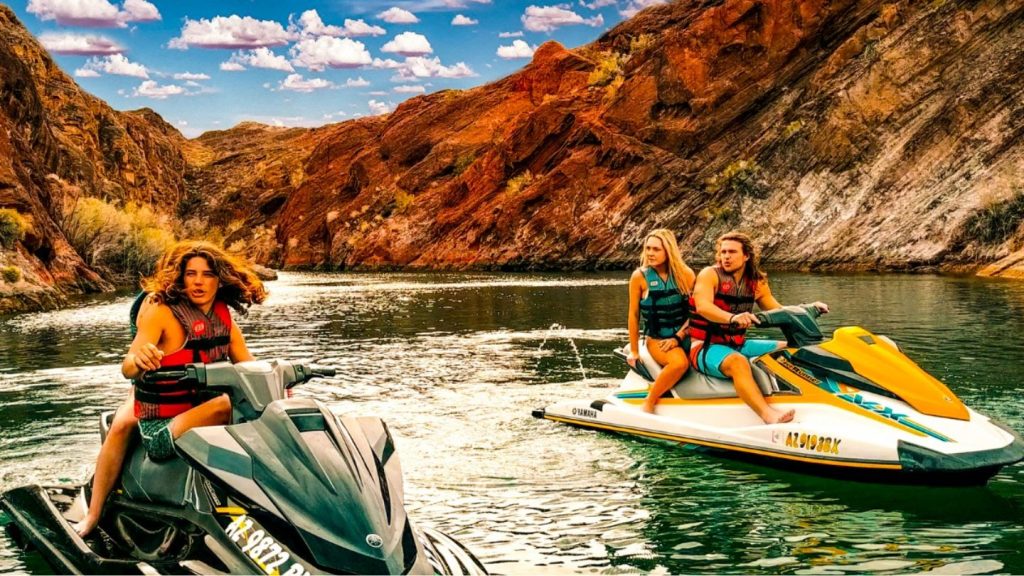
When righting your jet ski, safety should always be your top priority. Ensure the jet ski’s orientation is correct by referring to the instructions on the manufacturer’s sticker located on the hull. Flipping the jet ski in the right direction is crucial to prevent engine damage and ensure safety.
To right the jet ski, grip the intake grate and carefully lean over the watercraft. Be mindful of any heated components, and use your body weight to help restore balance. Flipping the jet ski the wrong way can cause water to enter the engine, leading to permanent damage and complications during reboarding. Once the jet ski is upright, it’s essential not to restart the engine immediately, as this can cause further damage. If necessary, remove the spark plugs to drain any water from the engine before attempting to start it again.
Following these safety guidelines helps protect both you and the jet ski from further damage, ensuring the recovery process goes smoothly. Patience is key—rushing through this process could lead to more serious issues.
Safety Gear and Equipment
Safety gear and equipment are essential for a safe and enjoyable jet ski experience. Here are some critical items to consider:
- Life Jacket: A properly fitting life jacket is non-negotiable when riding a jet ski. It keeps you afloat in case of an emergency and can be a lifesaver in rough waters. Make sure your life jacket is Coast Guard-approved and fits snugly.
- Safety Lanyard: The safety lanyard, often referred to as a kill switch, is a cord that connects you to the jet ski. If you fall off, the lanyard will detach and immediately shut off the engine, preventing the jet ski from running away. Always attach the safety lanyard to your wrist or life jacket before starting your ride.
- Helmet and Knee Pads: While not always required, wearing a helmet and knee pads can provide additional protection, especially for beginners or when riding in more challenging conditions. They can help prevent injuries in case of a fall or collision.
- Owners Manual: Your jet ski’s owner’s manual is a valuable resource. It provides detailed information on safety procedures, maintenance schedules, and troubleshooting tips. Familiarize yourself with the manual to understand your jet ski’s specific requirements and recommendations.
- Spark Plugs: Properly functioning spark plugs are vital for optimal engine performance. Regularly checking and replacing them can prevent engine failures and ensure your jet ski runs smoothly. Always follow the maintenance schedule outlined in your owner’s manual to keep your spark plugs in top condition.
By equipping yourself with the right safety gear and understanding the importance of regular maintenance, you can enjoy a safer and more enjoyable jet ski experience. Always follow safety guidelines and manufacturer recommendations to make the most of your time on the water.
Read more: How to Ensure Your Safety on a Jet Ski
Reboarding Your Jet Ski
After successfully righting the jet ski, the next step is to reboard. Always reboard from the rear of the craft to prevent instability that could cause it to flip again. Getting on from the back helps distribute your weight evenly, improving stability.
Many jet ski models feature a retractable reboarding step, making it easier to climb back on. If your jet ski lacks this feature, you will need to use your upper body strength to hoist yourself onto the craft. Always ensure the engine is turned off before attempting to mount the jet ski to avoid any accidental injuries.
By following these steps carefully, you can safely reboard your jet ski and continue enjoying your ride.
Preventive Measures to Avoid Flipping
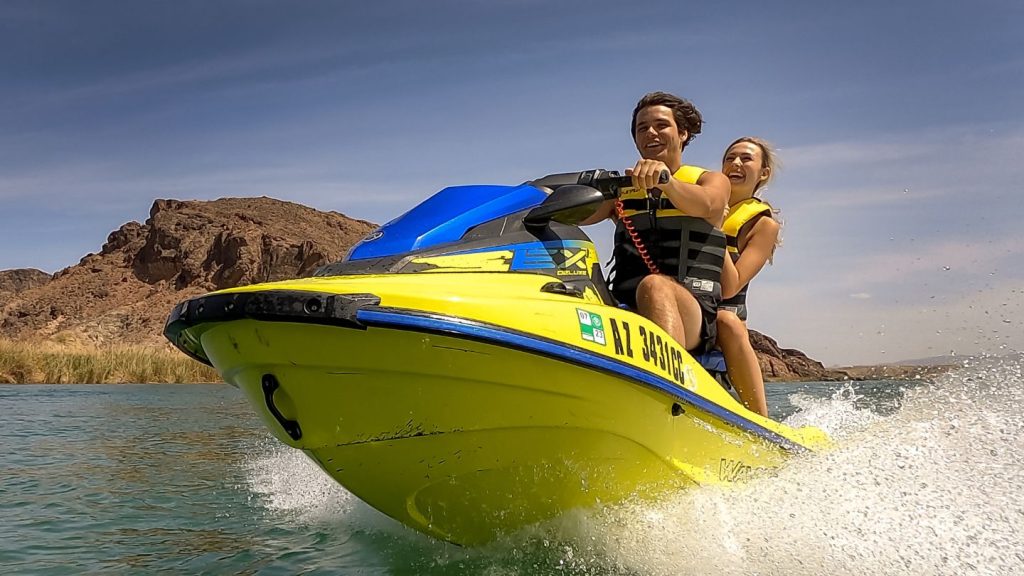
Maintaining balance and control on a jet ski is essential for a safe and enjoyable experience. Properly distributing your weight and positioning yourself correctly helps keep the watercraft steady. Always handle the jet ski with care, especially when turning sharply or accelerating quickly, as these actions increase the likelihood of capsizing. To minimize flip risks, it’s recommended to practice in calm waters first, where conditions are more predictable.
Maintaining an even keel is vital when steering in various directions. Navigate at safe speeds and make turns smoothly to maintain stability. If you’re new to riding, gradually build your confidence and skill level before attempting more advanced maneuvers.
Professionals recommend familiarizing yourself with proper recovery techniques, including how to safely right the jet ski and reboard, ideally under supervised conditions. This will ensure that you are fully prepared for any situation, enhancing both safety and enjoyment during your time on the water.
What to Do If You Can’t Upright Your Jet Ski
If you’re unable to right the jet ski and the shore is within a manageable distance, swimming it back to land may be an option, depending on your swimming proficiency.
In cases where the engine fails due to water infiltration, avoid attempting to start the engine, as this may cause more water to enter and further damage the motor. If the jet ski cannot be righted or started, towing is the safest solution for returning the ski to shore.
Being prepared for these situations and knowing the necessary steps to take will help ensure your safety and protect the lifespan of your jet ski.
Summary
Flipping a jet ski doesn’t have to spoil your adventure. By understanding the causes of capsizing, taking swift action, and learning how to safely right and reboard your jet ski, you can return to the water with confidence. Being prepared and taking preventive measures are key to ensuring your safety.
At The Bridge Rentals, we not only offer outstanding jet ski rentals in Lake Havasu but also equip you with the essential knowledge for a safe and unforgettable experience. Ready to make waves? Get in touch with us today!
Frequently Asked Questions
What should I do if I can’t upright my jet ski?
If you’re unable to right the jet ski, try swimming it back to shore if it’s within a manageable distance. If the engine fails due to water ingress, avoid starting it and seek assistance for towing.
How can I prevent my jet ski from flipping?
Focus on proper weight distribution, avoid sharp turns or sudden acceleration, and always ride in calm waters until you feel comfortable with the craft’s handling.
What are the most common reasons jet skis flip?
The main causes are improper weight distribution, aggressive maneuvers, and rough water conditions. Understanding these factors can help prevent capsizing.