
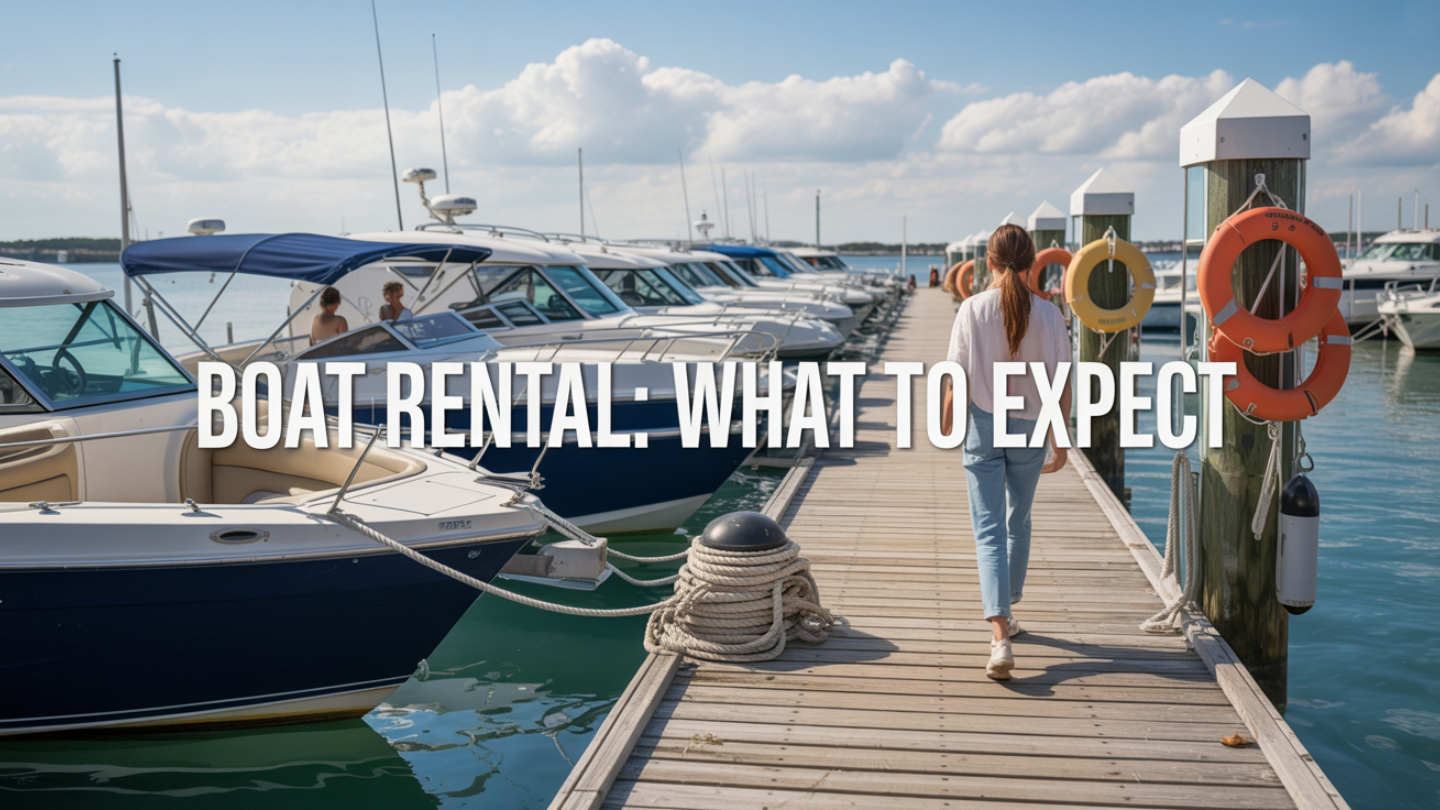
Arriving at the marina marks the beginning of your day on the water, and preparation ensures everything goes off without a hitch. From paperwork to safety checks, each step is designed to get you comfortable and confident before departure. Understanding the process ahead can help you save time and avoid unnecessary delays. Whether you’re an experienced boater or a first-timer, knowing the routine makes a difference. In this blog, we’ll walk you through the arrival process so you can get out on the water quickly and safely.
Key Takeaways
- Arrive 30 minutes early for a smooth check-in, ensuring all necessary documents are prepared.
- A thorough safety briefing and boat inspection are crucial for a safe and enjoyable boating experience.
- Understand the rental agreement, including liabilities and additional costs, to avoid unexpected fees and ensure a hassle-free rental.
Arrival and Check-In Process
Starting your boating adventure right begins with arriving early. Here’s what to keep in mind:
- Aim to be at least 30 minutes ahead of your scheduled time to facilitate a seamless check-in.
- Our experienced staff will be ready to assist you with the check-in process.
- Check-in typically starts one hour before your rental time and closes halfway through the scheduled period.
- This window allows for any last-minute preparations.
- It also ensures you have ample time to familiarize yourself with the boat and its features.
A hassle-free check-in requires having all necessary documents ready:
- Boat registration
- Boating license
- Permits
- Local charts
This preparation speeds up the process, getting you on the water faster. Our staff is ready to assist, but planning and being prepared enhance the experience, particularly for first-timers unfamiliar with the fishing trip process.
Booking in advance is highly recommended for newcomers. It secures your preferred time slot and allows our team to prepare for your arrival, something clearly outlined in the complete pontoon boat renter’s guide. Our goal is to make your first-time boating experience as enjoyable as possible, so don’t hesitate to ask our staff any questions you might have during the check-in process.
Orientation and Safety Briefing
A thorough safety briefing ensures everyone on board knows what to do in case of an emergency before setting sail. Visual aids, such as diagrams, will help you remember the layout of safety equipment and procedures. This briefing is crucial for protecting you and your passengers during your time on the water.
The briefing covers:
- The location and proper use of life jackets
- The location and proper use of fire extinguishers
- The location and proper use of distress signals
- Basic knowledge of boat operating, including emergency stops
Passengers should feel free to ask questions to clarify any doubts. There’s no such thing as a silly question when it comes to safety.
We’ll also assign specific roles during docking procedures to ensure a smooth and safe experience for the crew:
- Everyone must know their responsibilities.
- Everyone must know how to communicate effectively.
- Alcohol consumption is prohibited while the boat is underway to ensure a safe and enjoyable trip for everyone.
Boat Inspection and Equipment Check
A thorough inspection of the rental boat is essential before embarking on your adventure. This ensures the boat is in good condition and all safety equipment is present and functional. Start by:
- Inspecting for mechanical issues or damages.
- Documenting any issues and taking photos to prevent future disputes.
- Considering renting a boat if the current one has major problems.
Check that all required safety equipment is on board, including:
- U.S. Coast Guard-approved life jackets that fit each person properly. Try them on before leaving the dock to ensure a proper fit.
- A fire extinguisher that is securely mounted, recently inspected, and comes with clear usage instructions.
- For boats over 16 feet, a throwable flotation device is required. Additionally, ensure that you are aware of rental boat safety guidelines.
To ensure safety and proper equipment condition:
- Verify the navigation lights are functional, vital for safety during low visibility conditions.
- Inspect anchor lines and fenders for wear and tear to ensure they are in good working condition.
- Confirm the rental company provides a seaworthy vessel equipped with necessary safety gear.
- If you find any significant problems, report them immediately to the rental company.
Verify the boat includes a basic marine first aid kit for minor emergencies like cuts or seasickness. Visual distress signals for both day and night use are essential for boats over 16 feet.
Completing all these checks will give you peace of mind, allowing you to feel confident while enjoying your boating experience and understanding how to drive a pontoon boat safely on the water.
Understanding Your Rental Agreement
Understanding the rental agreement is as important as knowing how to operate the boat. The agreement details your obligations and liabilities in case of accidents or damages. Read through it carefully and ask the rental company for clarification if needed. Renter’s liability should be clearly defined, detailing your responsibilities in case of any incidents related to rent.
Familiarize yourself with the insurance options available for boat rentals and their implications. Many rental companies provide their own insurance, but it’s wise to check the extent of coverage included. If you’re renting from a peer-to-peer service, verify whether your personal insurance extends to rented boats. Understanding these details will help you make informed decisions and avoid unexpected costs.
Consider additional costs such as fuel, insurance, docking, and cleaning fees. Identify and understand the cancellation policies and any penalties for late returns. Cancellations require 7 days’ notice for a full refund; otherwise, online bookings are credited for a future cost.
Thoroughly completing check-in forms is crucial for any potential insurance claims. Understanding these details ensures a smooth rental experience and helps avoid unnecessary fees.
Loading Up and Preparing for Departure
After completing the check-in and safety briefing, it’s time to load up and prepare for departure. Bring essentials like personal items, safety gear, food, and water for a comfortable trip. Share your destination, passenger list, and expected return time as a float plan. This information is vital for safety and ensures someone knows your whereabouts.
To prepare for the trip:
- Distribute weight evenly and keep gear low to maintain stability.
- Check fuel, oil, and coolant levels.
- Test essential battery-operated tools like radios and navigation systems to avoid surprises on the water.
- Run the ventilation blowers for a few minutes before starting the engine.
If bringing pets, keep in mind the following:
- Ensure they have life jackets with handles for safety.
- Well-behaved dogs are welcome, so feel free to bring your furry friends along.
- Plan according to trip duration to ensure a smooth and enjoyable experience.
Navigating Local Waterways
Navigating local waterways offers both excitement and challenges. Safe navigation requires understanding channel markers:
- Red markers should be kept on the right when returning from the sea.
- Green markers should be kept on the left.
- Buoyage systems help identify safe channels and avoid hazards.
Familiarize yourself with these markers to explore a smooth journey.
Local boating regulations, including right-of-way rules and boating laws, are crucial for safety. Safe navigation in busy areas requires:
- Awareness of traffic patterns
- Maintaining a safe distance from other vessels and other boaters
- Adjusting speed and course based on visibility and the presence of other boats
- Proper communication using hand signals and VHF radio for safe boating interactions.
Whether on a pontoon boat, speed boat, or jet ski, knowing local regulations and understanding the boat’s controls enhances your boating experience, especially when recognizing how fast a pontoon boat can go in different water conditions.
What If You Encounter Bad Weather?
Weather can change rapidly; check reliable weather forecast sources for updates before heading out. Signs and recommendations include:
- Darkening skies and increased wind can indicate approaching bad weather.
- If conditions look rough, consider rescheduling.
- Your safety is paramount; it’s better to delay your trip than risk getting caught in a storm for a few hours.
If caught in bad weather, follow these steps:
- Ensure all passengers immediately wear life jackets.
- Secure loose items onboard to prevent injury or loss during rough conditions.
- After the weather clears, check for injuries and inspect the boat for damage.
- If the weather becomes unsafe, reschedule or seek a refund.
Feeling confident and prepared for bad weather enhances your boating experience. The rentals prioritize your safety and offer tips to handle unexpected weather conditions.
Returning the Boat
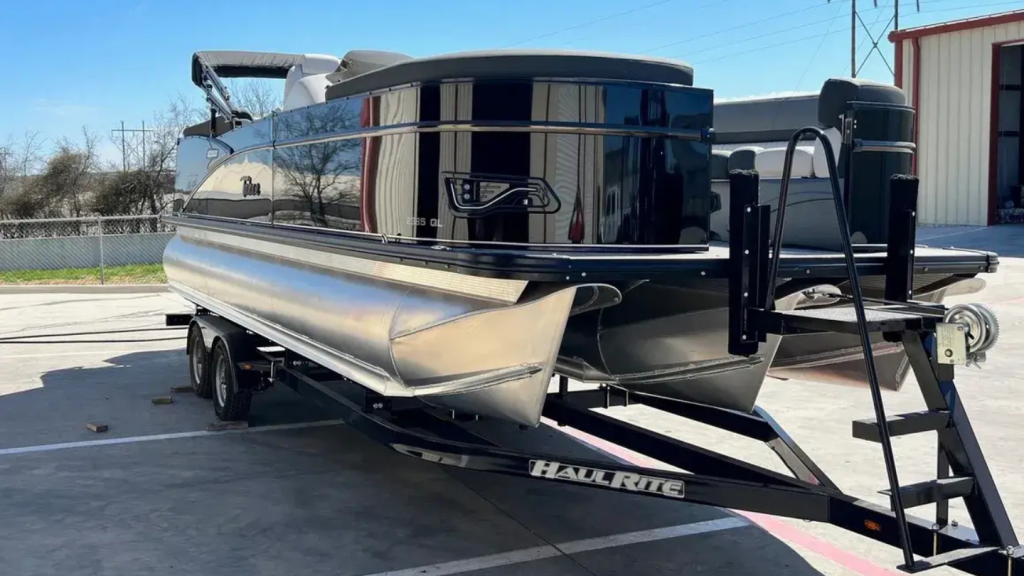
As your boating adventure ends, properly returning the boat is essential. Here are the steps to follow:
- Thoroughly inspect the boat for damage before returning it.
- Inform the rental staff of any issues you encountered during your trip.
- Remove all personal items from the boat before returning.
- Leave the boat clean and trash-free to help avoid additional cleaning fees.
Confirm if the rental company requires a full tank of fuel upon return. If so, top off the tank before returning. Late returns may incur additional charges, so return the boat as scheduled. Keep the rental agreement handy for reference during the return process.
Setting Sail on a Seamless Experience
At The Bridge Rentals, arriving for your boat rental should feel like the start of an adventure, not a logistical challenge. From check-in to safety briefings and getting acquainted with your vessel, knowing what to expect helps ensure your day on the water runs smoothly. Whether you’re an experienced captain or a first-time boater, preparation transforms your rental experience into an effortless journey of fun, freedom, and discovery.
At The Bridge Rentals, we make your pontoon boat rental in Lake Havasu as effortless as it is unforgettable. From high-performance jet-ski rentals to family-friendly pontoon rentals, our team takes care of every detail so you can focus on the sunshine, the open water, and making memories that last long after you dock. Contact us to book your next adventure and experience boating the way it’s meant to be: smooth, safe, and spectacular.
Frequently Asked Questions
What are the biggest boat party mistakes?
The biggest boat party mistakes include neglecting sunscreen, wearing the wrong footwear, and not booking in advance. Additionally, it’s crucial to avoid overindulgence in alcohol and ensure you choose the right boat and plan for the after-party.
Are dogs allowed on the boats?
Yes, well-behaved dogs are permitted on the boats. Always ensure they are leashed and comfortable during the trip.
What safety equipment is included with the boat rental?
The boat rental includes essential safety equipment such as life jackets, a fire extinguisher, throw cushions, a paddle, a whistle, an anchor, and a ladder. This ensures your safety while enjoying your time on the water.
What should I bring for my boat rental day?
Pack essentials like sunscreen, sunglasses, a hat, snacks, and plenty of water to stay hydrated. Don’t forget your boating license or ID, and wear comfortable, non-slip shoes. Bringing towels, extra clothes, and waterproof bags for valuables will also make your experience more convenient.