
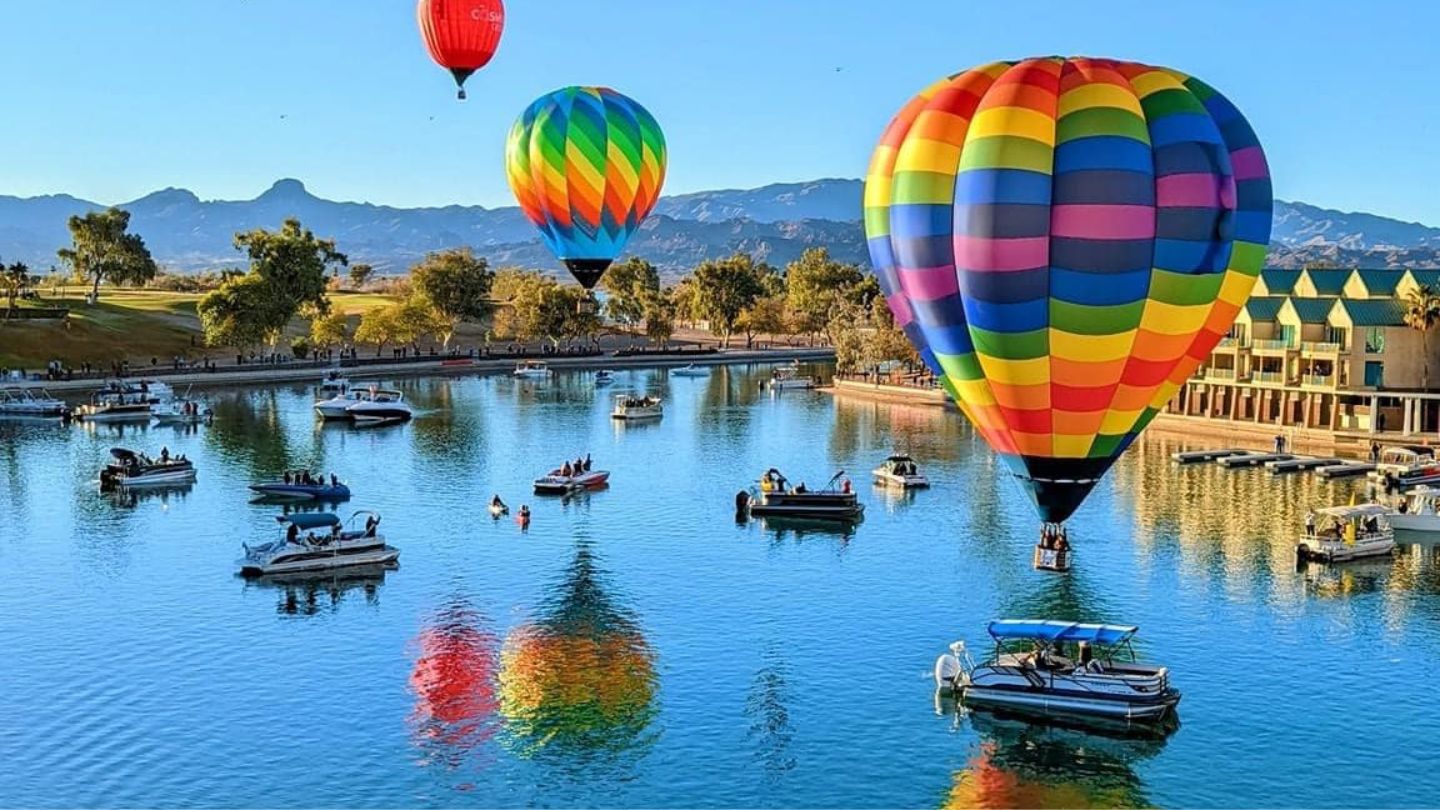
Planning a day on the water at Lake Havasu? Renting a boat is the perfect way to enjoy the stunning scenery and make unforgettable memories. However, safety should always come first. Whether you’re a seasoned boater or a first-timer, having a solid safety plan in place is essential for a fun and worry-free adventure. In this blog, we’ll walk you through the ultimate Lake Havasu boat rental safety checklist, packed with tips to keep you and your crew safe while making the most of your time on the lake. Let’s dive in!
Key Takeaways
- Ensure compliance with legal safety requirements by having life jackets, fire extinguishers, and signaling devices readily available on board.
- Enhance safety preparedness with additional equipment such as a first aid kit, VHF radio, and manual bailing device for effective emergency response.
- Maintain good boating practices by checking weather conditions, understanding navigation rules, and conducting regular equipment maintenance to ensure a safe boating experience.
Legally Required Safety Gear
Prior to embarking on your boating journey, ensure you adhere to the appropriate federal, state, and local regulations by equipping your vessel with the mandatory safety gear. Doing so is not only in compliance with legal requirements but also plays a critical role in protecting everyone aboard.
Essential safety equipment that must be present includes life jackets for all passengers and fire extinguishers suitable for potential fires onboard. It is important to carry flares and first aid supplies, among other necessities. Keep in mind that these stipulations can change based on various factors such as your boat’s size and type, along with specific laws of the states or waterways through which you will travel.
We shall now explore some indispensable safety items that should be present when setting sail.
Life Jackets
Life jackets serve as the foundation for boating safety, which necessitates that they be easily accessible on board to safeguard all passengers. It’s essential for each life jacket to not only fit appropriately but also maintain a state of good repair and adhere to Coast Guard standards. Life jackets should undergo routine checks to ensure they are in working order and ready for use in case of an emergency.
It is imperative that the kill switch be securely fastened either directly to your life jacket or another stable spot so that the boat’s engine will automatically disengage should you become disconnected from the helm. This seemingly minor but essential component plays a significant role in averting mishaps when a pilot becomes unable to control their vessel.
In essence, ensuring your life jackets are both operational and compliant with regulations forms an integral part of creating a secure environment during any boating adventure.
Fire Extinguisher
Ensuring the well-being of all passengers during boating activities requires having a fire extinguisher readily available to address potential fires swiftly. It should be placed in a location where it can be accessed without delay if an emergency arises. To preserve its functionality, routinely inspect the fire extinguisher for valid pressure gauge levels and check that it has not expired.
Possessing a fire extinguisher while boating transcends merely adhering to established regulations. It is about preparedness for unforeseen circumstances. Maintaining this essential safety equipment in optimal condition and within easy reach could prove crucial when faced with an urgent situation on board.
Whistle or Horn
It is essential to have an audible signaling device, such as a whistle or horn, on board to signal other boaters in the event of an emergency. This equipment, mandated by law for boaters to carry, serves as a vital tool for requesting help from nearby vessels when faced with distress.
To guarantee safety while boating, it’s important that these audible signaling devices are regularly checked and maintained to ensure they operate properly. Having a reliable method of communication can be life-saving during critical moments on the water, thus contributing significantly to enhancing the overall boating experience.
Recommended Additional Safety Equipment

The mandatory safety gear, equipping your vessel with extra safety equipment, can greatly improve your readiness for unforeseen circumstances and promote a more secure experience on your boating adventure. Although not all this gear is required by legal regulations, it’s highly recommended to encompass broad-ranging safety measures.
For every individual aboard, there should be an easily accessible flotation device approved by the Coast Guard. For instance, vessels under 26 feet are obligated to carry at least one Type B-1 fire extinguisher as part of their onboard equipment.
When embarking on extended trips across the water, it’s wise to bring along supplementary provisions such as additional sustenance, potable water sources, an extra blanket, and towels—these items could prove invaluable during critical situations.
First Aid Kit
Having a comprehensive first aid kit on board is essential for any boating excursion. This kit needs to be equipped with materials capable of addressing usual injuries like abrasions and lacerations. Provisions should be made within the aid kit for tackling seasickness, which is a common ailment encountered while out at sea.
Regarding the basic supplies, it’s critical that your boat’s first aid kit contains items such as scissors—to swiftly cut through bandages or clothing when necessary—and tweezers for the extraction of splinters and ticks. The availability and readiness of an all-inclusive first aid kit can greatly influence your ability to efficiently manage minor medical situations while navigating waters.
VHF Radio and Communication Devices
During your boating adventure, it’s essential to maintain open lines of communication, especially when you’re beyond the reach of cell phone signals. For such situations, a VHF radio is advised as an indispensable means for emergency communications while boating. Satellite messengers serve as an important backup for times when other devices are not operational.
Equipping your vessel with dependable communication tools allows you to call for assistance if necessary and remain in contact with fellow boaters or rescue services. This practice significantly improves safety measures throughout the duration of your marine excursion.
Manual Bailing Device
Having a manual bailing device on board is crucial for the safety of any vessel. It serves as a vital piece of equipment to evacuate water from within the boat should there be a failure in power or if the pump stops working. Ensuring that this tool is available can be key to keeping your boat above water by quickly getting rid of surplus water.
Accessibility to such safety equipment is advisable so one may promptly tackle instances where flooding occurs. This straightforward but indispensable instrument has the potential to save lives during emergency situations by averting an overload of water onboard, which could lead to capsizing.
Safety Tips for a Smooth Boating Experience
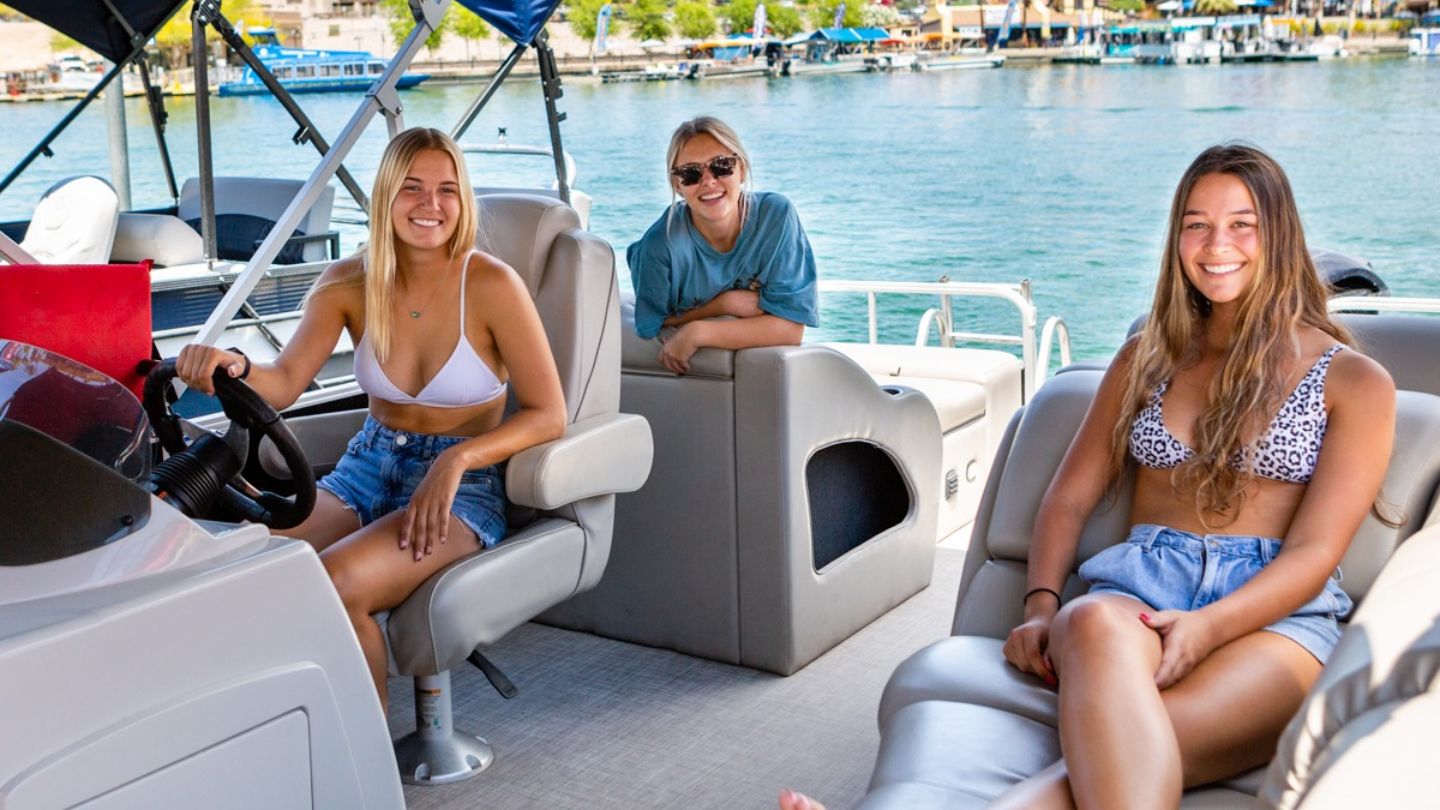
To guarantee a seamless and pleasurable boating adventure, adhering to crucial safety tips is imperative. A meticulously devised emergency strategy can greatly improve safety during your boating excursions. Compiling a pre-departure checklist aids in readiness for unforeseen events that may occur while navigating the waters.
For lengthy trips on your boat, it’s wise to carry additional provisions and potable water with you. Equipping yourself with an extra blanket and towels also adds to both comfort and preparedness levels. Following these straightforward suggestions will help ensure that your time spent boating remains both safe and delightful.
Check Weather Conditions
Before setting out on your boating adventure, make sure to check the weather forecast to steer clear of harsh conditions. Should unfavorable weather be predicted, it’s wiser to remain ashore or head back sooner than planned. Utilize tools such as NOAA Weather Radio for updates on storms as they happen.
Should you encounter lightning, cease all boating activities at once and find shelter without delay. For enhanced safety during your time on the water, think about employing weather applications that offer radar and lightning-tracking features. Keeping up-to-date with meteorological changes is crucial in preventing hazardous circumstances while engaging in boating activities.
Plan Your Route
Know your route, including restricted zones and navigation rules, before setting sail. Understanding local navigation rules helps prevent accidents and ensures compliance with laws. Have a clear understanding of landmarks and navigational aids along your route.
Knowing navigation rules and potential hazards along your route enhances safety during boating. Navigating known restricted areas ensures safety and compliance with local regulations. Proper route planning makes your boating trip smoother and safer.
Sun Protection
To avoid sunburn and heat-related complications during a relaxing day of boating, it’s crucial to apply broad-spectrum sunscreen with at least SPF 30 and wear protective attire. Utilizing hats, sunglasses, and clothing that blocks UV rays enhances your defense against the damaging effects of the sun while on the boat.
Ensuring you have taken these steps to shield yourself from harmful UV exposure helps guarantee an enjoyable boating experience under the sun without concern for health problems associated with sunlight.
Boat Operation and Maintenance
Proper boat operation and regular maintenance are key to a safe boating experience. Before embarking on a boating trip, conduct a thorough pre-departure checklist to ensure all safety measures are in place. Familiarity with the boat’s controls enhances safety and performance.
Effective boat operation requires understanding the vessel’s controls and systems. Store fire extinguishers away from the engine compartment for quick access.
Proper boat operation includes understanding the functions of controls like throttle, steering, and navigation systems.
Understanding the Boat’s Controls
Make sure to acquaint yourself with the owner’s manual of the boat for detailed guidance on its specific controls and upkeep advice. When you are looking into boat rentals to rent a vessel, meticulously check for any visible damage and confirm that all safety equipment is in prime condition.
Gaining an understanding of crucial operating components like the throttle, steering system, and navigation aids is essential when preparing to handle a boat safely. This knowledge equips you with the ability to manage the vessel adeptly and deal appropriately with potential situations that could occur while at sea.
Read more: Essential Boating Tips for Beginners
Regular Equipment Checks
Inspect all fluid levels, including oil and battery conditions, before each outing to ensure safe operation. Regularly check all safety equipment and boat systems to ensure safe boating adventures. Identifying potential issues early can prevent emergencies and enhance overall safety.
Regular maintenance and checks keep your boat in optimal condition, ensuring a safe trip.
Fuel Management
Proactively monitor fuel levels to prevent running out during boating activities, ensuring a safe return. Plan your fuel usage to cover the entire duration of your boating trip to avoid running out.
Effective fuel management ensures a safe and uninterrupted boating adventure. By monitoring fuel levels and planning accordingly, you can avoid interruptions and ensure a smooth trip.
Emergency Preparedness
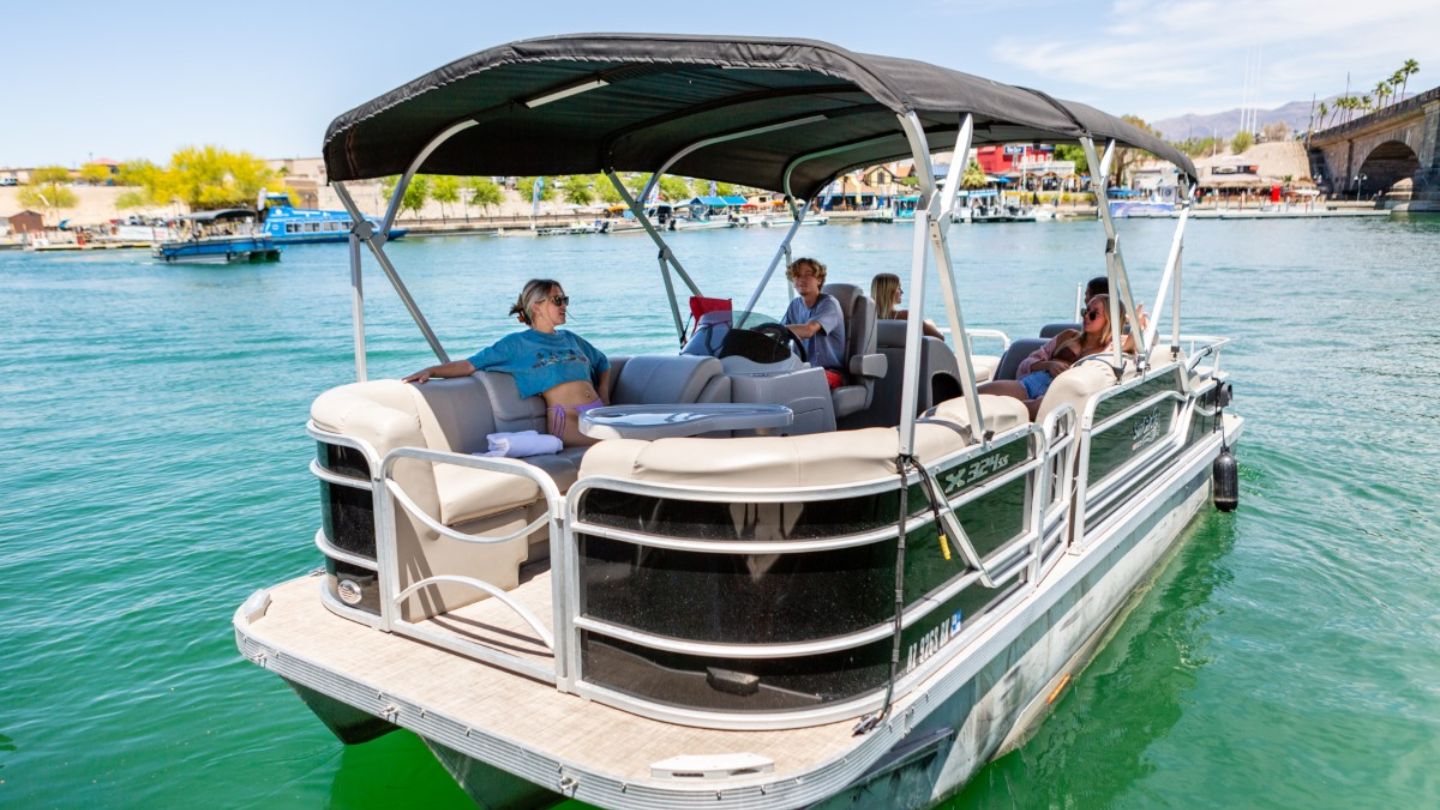
Emergency preparedness is vital for safe boating. A medical kit is essential for addressing minor injuries like cuts and sea sickness. Include a first-aid guide in your kit for reference during emergencies. Monitor weather updates before departure to avoid dangerous conditions like storms and strong winds.
Having a clear plan and understanding potential risks can significantly enhance safety, and staying informed and prepared can greatly enhance safety.
Let’s explore some specific steps you can take for emergency preparedness.
Emergency Contact Information
Keep a current and accurate list of emergency contacts on hand, which should include local authorities as well as your boat rental company. Make sure to periodically reassess and refresh this contact information to guarantee its reliability.
Having an assigned emergency contact who remains composed and reliable can notably enhance the swiftness of assistance during boating crises. Ensure that this critical information is readily available in case of emergencies.
Towing Services Membership
Enrolling in a towing service guarantees support for mechanical problems without putting your boat insurance at risk. Being a member of emergency towing services means you’ll receive prompt aid for any mechanical troubles, safeguarding against expensive payments from your own pocket and assuring swift assistance when faced with such failures.
Opting into a towing service constitutes an intelligent financial decision.
Backup Plans
It is essential to have secondary plans in place for unforeseen events, such as adverse weather conditions or malfunctions with equipment, which are key to maintaining boating safety. Developing alternative approaches helps reduce the dangers associated with sudden shifts in weather or breakdowns of equipment.
Preparing for potential issues like the failure of gear or challenging meteorological conditions bolsters security during a boating journey. Anticipating the unexpected allows you to ensure that your experience on the water remains both secure and pleasurable.
Read more: Boat Terminology That You Need To Know Before Getting On The Lake
Set Sail Safely and Confidently
Boating on Lake Havasu offers an incredible way to connect with nature, create lasting memories, and enjoy a fun-filled adventure. By following the safety checklist, equipping your boat with the right gear, and staying prepared for emergencies, you can ensure an unforgettable and worry-free experience. From life jackets to sun protection and proper route planning, these measures help prioritize safety while allowing you to fully enjoy the beauty of the lake.
For a seamless and enjoyable boating experience, choose At The Bridge Rentals, your trusted partner for quality boat rental in Lake Havasu. Our well-maintained fleet, expert staff, and commitment to customer satisfaction make us the ideal choice for your next outing. Trust us to help you create the perfect adventure on the lake. Contact us today and start making unforgettable memories!
Frequently Asked Questions
1. What safety equipment is legally required when renting a boat at Lake Havasu?
All boats must be equipped with U.S. Coast Guard-approved life jackets for every passenger, a fire extinguisher, and an audible signaling device such as a whistle or horn. Flares and other signaling devices may also be required depending on the boat’s size and type. Make sure all equipment is in good condition and complies with federal, state, and local boating regulations.
2. How can I prepare for emergencies while boating?
Before heading out, ensure you have a fully stocked first aid kit, a VHF radio or another reliable communication device, and a manual bailing device in case of water ingress. Additionally, keep updated emergency contact information and consider joining a towing service for mechanical issues. Planning backup routes and monitoring weather conditions also contribute to better emergency preparedness.
3. What should I include in the pre-departure checklist?
Your pre-departure checklist should include inspecting all safety equipment like life jackets and fire extinguishers, checking fluid levels such as oil and battery conditions, and ensuring that the boat’s controls and navigation systems are functioning correctly. Don’t forget to verify fuel levels, plan your route, and review the weather forecast before departure.
4. How can I stay safe while boating in the sun?
To protect against harmful UV rays, apply a broad-spectrum sunscreen with at least SPF 30, wear UV-blocking clothing, sunglasses, and a hat, and stay hydrated. Pack extra water, towels, and a blanket to stay comfortable. Taking breaks in shaded areas or applying the proper sun protection will keep you safe and comfortable throughout your trip.